
03 5406 0228
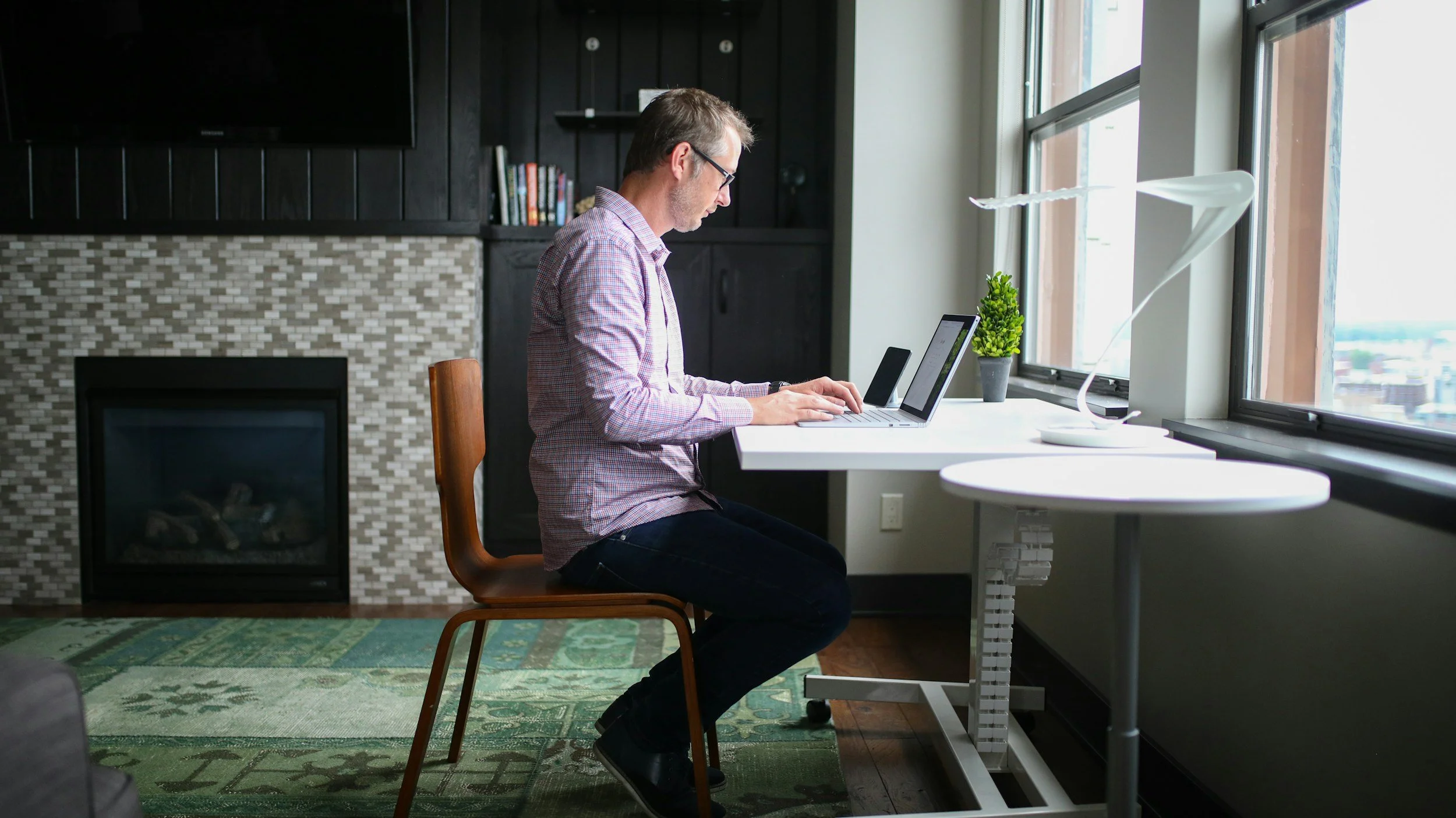
Why sitting is killing you!
Over 56% of Australian adults, or more than 9.5 million people, are sedentary or have low physical activity levels.

Get Moving, Get Fit, and Break the Sit!
Physical Activity is…
any movement that gets your body going and your heart pumping! Whether it's housework, gardening, commuting, or walking, these activities boost your energy and quicken your breath.
Not to be confused with exercise!
Exercise is…
the superstar of physical activity! It's planned, structured, and repetitive, designed to enhance your fitness, strength, flexibility, and endurance. Think of it as your personal fitness routine.
Sedentary Behaviour is…
the enemy of activity, involving prolonged sitting or lying down (not sleeping) during work, travel, or leisure.
Did you know?
Over 56% of Australian adults, or more than 9.5 million people, are sedentary or have low physical activity levels. This inactivity is a major risk factor for weight gain and chronic diseases like heart disease, diabetes, and some cancers. Extremely sedentary behavior increases the risk of death by 49%!
While sitting at a desk for work may be unavoidable, it's crucial to stay active during leisure time. With our growing reliance on technology, we spend more time watching TV, playing video games, and surfing the net. Take charge of your health and get moving!

The benefits of being more physically active…
Reduces your risk of cardiovascular disease (including high blood pressure, coronary artery disease, stroke)
Reduces the risk of type 2 diabetes
Improves muscular fitness and strength
Reduces risk/manages depression and anxiety
Reduces risk of obesity
Reduces your falls risk
Improves bone health
Reduces the risk of some forms of cancers
Reduces your risk of postural related musculoskeletal disorders
How much physical activity is recommended?
The WHO (World Health Organisation) recommends adults get at least 150 minutes of moderate-intensity activity or 75 minutes of vigorous-intensity activity weekly.
For extra health benefits, aim for 300 minutes (5 hours) per week of moderate activity. Include muscle-strengthening exercises for major muscle groups on 2 or more days a week.
Remember, it's not only about structured exercise. If all else fails…. just MOVE! Reducing sedentary time is key to maintaining or improving your health.
So, get up and get active!

Let's get moving and have fun!
Boost Your Activity Levels!
During Work:
Break up your sitting time—walk around every 30 minutes (set an alarm if needed).
Take a short walk at lunchtime.
Use the stairs whenever possible.
Park further away, ride a bike, or get off public transport a stop early.
During Leisure:
Any activity is better than none! Start slow and gradually increase.
Walking, swimming, and cycling are great starters.
Limit your screen time.
Get outdoors and make it social.
Establish a routine—set aside time daily for your physical and mental well-being.

Returning to Exercise After Giving Birth
Returning to exercise after giving birth is an exciting but daunting time for new mums. Navigating the right time to start, choosing suitable exercises, and ensuring self-care, can be overwhelming.

Returning to exercise after giving birth is an exciting but daunting time for new mums. Navigating the right time to start, choosing suitable exercises, and ensuring self-care, can be overwhelming. Our expert physiotherapist, specialising in prenatal and postnatal care, offers valuable insights and guidance to help you confidently and safely resume your fitness routine.
Safe movement in the first 6 weeks
Gentle walking
Gentle core exercises prescribed by a physio
Pelvic floor exercises
Things to avoid in the first 6 weeks
Lifting anything heavier than your baby
Running, jumping or any other high impact exercise
Exercises that make you ‘bear down’ through your core
Anything that hurts, feels uncomfortable or you don’t feel confident doing
After 6 weeks
It's recommended to see a physiotherapist before starting more intense exercise. Your physio will ensure you're ready by checking:
Your pelvic floor
Abdominal separation
Any other injuries or health issues
When returning to exercise, consider the type, intensity, and frequency. Gradually increase your activity to safely ease back into exercise, reducing the risk of injury.
For your long-term health, ensure your pelvic floor and core muscles are strong before returning to high-impact activities like running and jumping. If you've had any pelvic floor or continence issues during or after pregnancy, consult your physio before starting these exercises.
Gentle Post-natal exercises for after 4-6 weeks
BRIDGE
2 x 10 repetitions per day


MINI CRUNCH
2 x 10 repetitions per day


ARM EXTENSION
2 x 5 repetitions per day


Squats and Lunges
The Power of Squats and Lunges for a Stronger, Healthier You!
Squats and lunges are excellent exercises for people of all ages and abilities.
The Power of Squats and Lunges for a Stronger, Healthier You!
Squats and lunges are excellent exercises for people of all ages and abilities. They don’t require any equipment and are easy to do, and have many reported benefits such as:
Enhanced Daily Activities: Help you perform everyday tasks more easily, such as getting up from a chair, reaching for items in low cupboards, walking, running, and climbing stairs.
Boost Strength and Tone: Target and strengthen your buttocks (gluteals) and thighs (hamstrings and quadriceps).
Improve Balance and Flexibility: Help maintain and enhance the flexibility and balance of your hips, knees, and ankles.
Increase Heart Rate and Burn Fat: Elevate your heart rate, aiding in fat burning.
Enhance Core Stability: Improve the stability of your deep abdominal muscles, providing better support for your spine.

HOW TO SQUAT CORRECTLY
Hold on for support if needed
Start with your knees straight or turned out slightly, feet hip distance apart
Bend your knees and move your bottom back
Keep knees in line with mid toes & behind toes
Body weight should be through your heels
Keep your back straight and core engaged, your heels on the floor and equal weight through both legs
Progressions and variations
Less advanced: Decrease the amount of knee bend.
More advanced: Increase the amount of knee bend and add weight

HOW TO LUNGE CORRECTLY
Keep your upper body straight, with your shoulders back and relaxed and chin up
Start with legs shoulder width apart and then step backwards
Lower your hips until both knees are bent at about a 90-degree angle (back knee drops straight down)
Front knee should be directly above your ankle, and shouldn’t flex past the toes
Make sure your other knee doesn't touch the floor
Keep the weight in your front heel as you push back up to the starting position.
To become stronger in your legs and back, improve your ability to complete your usual daily activities and improve your fitness, regular squats and lunges are a quick and easy way to get you there!
Shoulder Dysfunction
Shoulder pain is common in middle-aged people, often due to overuse injuries to the rotator cuff tendons, especially the supraspinatus tendon, and the bursa.
Shoulder pain is common in middle-aged people, often due to overuse injuries to the rotator cuff tendons, especially the supraspinatus tendon, and the bursa. The shoulder joint is very mobile but not very stable. The rotator cuff muscles and tendons (supraspinatus, infraspinatus, teres minor, and subscapularis) help stabilise it.
Tendons can become painful (tendinopathy) from sudden activity changes, repetitive use, and pressure. This is more likely as you age because tendons become less elastic and more prone to tearing. The supraspinatus tendon, located above the humeral head and below the bursa, is a common source of pain.
Causes
Causes of supraspinatus tendinopathy/bursitis include poor posture during overhead movements, direct trauma, a hooked acromion, or arthritis. Muscle imbalances, age-related tendon tears, poor posture, and weak scapular muscles also contribute to tendinopathy.


Signs and Symptoms
Pain increases with reaching and repetitive activities at or above shoulder height
Weakness with pushing and overhead movements
Difficulty sleeping due to pain, especially when lying on the painful shoulder
Trouble with simple tasks like brushing hair, putting on a shirt or jacket, or reaching above shoulder height
Limited shoulder range of motion
History of shoulder trauma
These symptoms are enough for diagnosis. An ultrasound or MRI isn't needed in the acute phase, as they often show age-related changes in the tendons regardless of pain.
Management
When dealing with shoulder pain from supraspinatus tendinopathy and bursitis, conservative management is usually the best approach. Start with some rest and avoid activities that make the pain worse. Taking simple painkillers can help in the early stages.
Once the pain is under control, a gradual strengthening exercise program for the rotator cuff and scapula muscles, along with improving your posture, is recommended. Your physiotherapist can create a personalised exercise plan to address the specific causes of your shoulder pain.
Surgery is rarely needed and is only considered if conservative treatments fail and a shoulder surgeon recommends it.
