
03 5406 0228

Back Pain Explained:
Why Movement Matters with Jed Rodda
Low back pain is one of the most common health conditions people experience.
It can affect work, exercise, sleep, and the activities that matter most to us. While back pain can be frustrating, the good news is that most episodes improve over time and there are effective strategies that can support recovery.
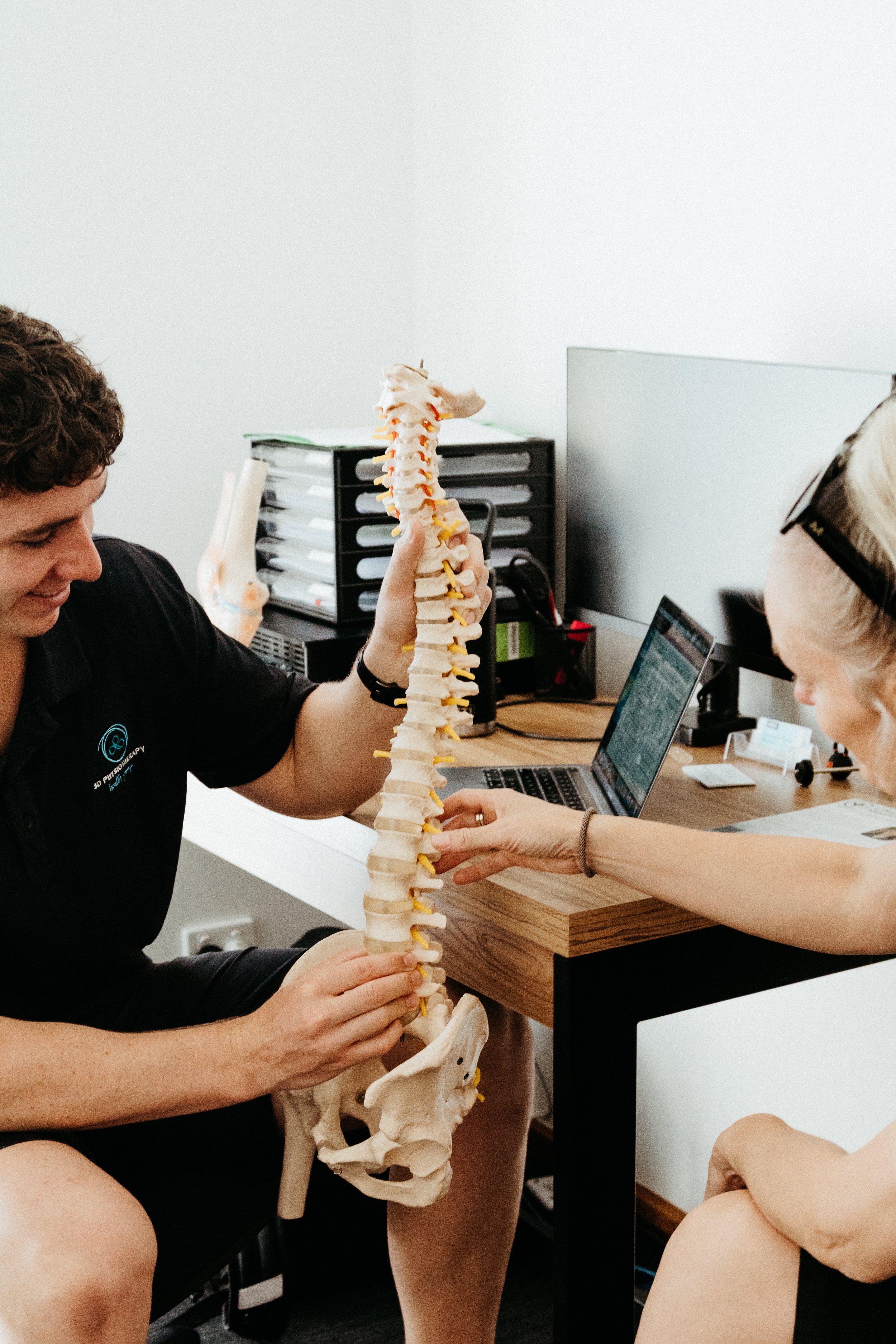
At our recent Back Pain Education Session, Jed Rodda, one of our physiotherapists and facilitator of the BackStrong program, shared evidence-based insights into modern pain science and practical strategies to help people better understand and manage low back pain.
If you missed the session, or would like a recap, read on to learn more about understanding and managing back pain.
Back pain is common, but it doesn't have to control your life
Most people will experience low back pain at some point in their lives. While symptoms can sometimes feel alarming, back pain is rarely caused by a single event or injury.
Instead, it is often influenced by a combination of factors that develop over time, including lifestyle habits, stress, physical load, general health, sleep, and activity levels.
Understanding these contributing factors can be an important step towards recovery and help people feel more confident in managing their symptoms.

Watch the education session
Looking beyond the physical
Modern healthcare now uses what is known as a biopsychosocial approach to understanding pain. This recognises that pain is influenced by a combination of physical, psychological, and social factors. By considering all of these influences, people are often better equipped to achieve meaningful and long-term improvements.
Physical factors may include strength, mobility, fitness, or injury.
Psychological factors can include stress, anxiety, fear of movement, or previous experiences with pain.
Social factors may include work demands, relationships, lifestyle, and support networks.
Busting common myths about back pain
There are many misconceptions about back pain that can create unnecessary fear and uncertainty.
-
Fact: The spine is a strong and resilient structure designed to move and tolerate load. Gradually increasing movement and activity can help build confidence and capacity.
-
Fact: Disc bulges are extremely common, even in people with no symptoms at all. Imaging findings do not always explain pain and should be considered alongside a thorough clinical assessment.
-
Fact: While short periods of rest may be helpful during an acute flare-up, ongoing movement and exercise are among the most effective strategies for recovery.
Why movement matters
One of the strongest messages from current research is that movement plays a vital role in recovery.
When people experience pain, it is natural to become cautious and avoid activities that may seem threatening. However, prolonged inactivity can contribute to stiffness, reduced strength, and decreased confidence in movement.
Regular exercise can help:
Improve strength and physical resilience
Reduce pain sensitivity
Support better sleep and mental wellbeing
Build confidence in the body's ability to move
The key is finding a starting point that feels manageable and gradually progressing over time.
When should you seek medical advice?
While most cases of back pain are not serious, there are some symptoms that should be assessed urgently by a healthcare professional.
These include:
Loss of bladder or bowel control
Significant weakness in the legs
Numbness around the groin or saddle region
Persistent night pain
Unexplained weight loss or fever
If you experience any of these symptoms, it is important to seek medical attention promptly.
Key Takeaways
The overarching message from the session was that back pain is common, but it does not have to define what you can and cannot do.
Some of the key takeaways included:
Your back is strong and resilient
Mental wellbeing plays an important role in recovery
The body responds positively to movement and exercise
Scans do not always tell the full story
Movement remains one of the most powerful tools for managing and recovering from back pain
Rather than trying to change everything at once, focus on one achievable step this week:
Go for a daily walk
Perform a simple strengthening routine
Improve your sleep habits
Find ways to manage stress
Gradually return to activities you enjoy
Recovery is rarely about finding a quick fix. It is about building confidence, resilience, and sustainable habits that support long-term health and wellbeing.

Questions from the audience…
-
Yes. While movement and exercise are important for recovery, it is possible to do too much, too soon. A gradual approach is recommended, starting with manageable exercises and progressively increasing intensity over time.
One useful guide is to monitor how your body responds over the following 24 to 48 hours. Increased stiffness, soreness, or a significant flare-up in symptoms may indicate that you've progressed too quickly. Working with a physiotherapist can help you find the right starting point and progression plan.
-
The answer will vary depending on your individual situation, but regular movement is important.
Strength training exercises can often be performed two to three times per week, combined with daily activities such as walking, swimming, or other forms of moderate exercise. Current activity guidelines generally recommend aiming for at least 150 minutes of moderate activity per week, while staying consistently active throughout the day.
-
Falls can be a cause of back pain and other injuries, particularly as we get older. Building strength through resistance training can help improve muscle strength and bone density, reducing the likelihood of injury if a fall does occur.
Balance training is also important. Simple activities that challenge balance for a few minutes each day can help reduce fall risk and improve confidence with movement.
Need help with back pain?
Back pain doesn't have to stop you from doing the things you enjoy.
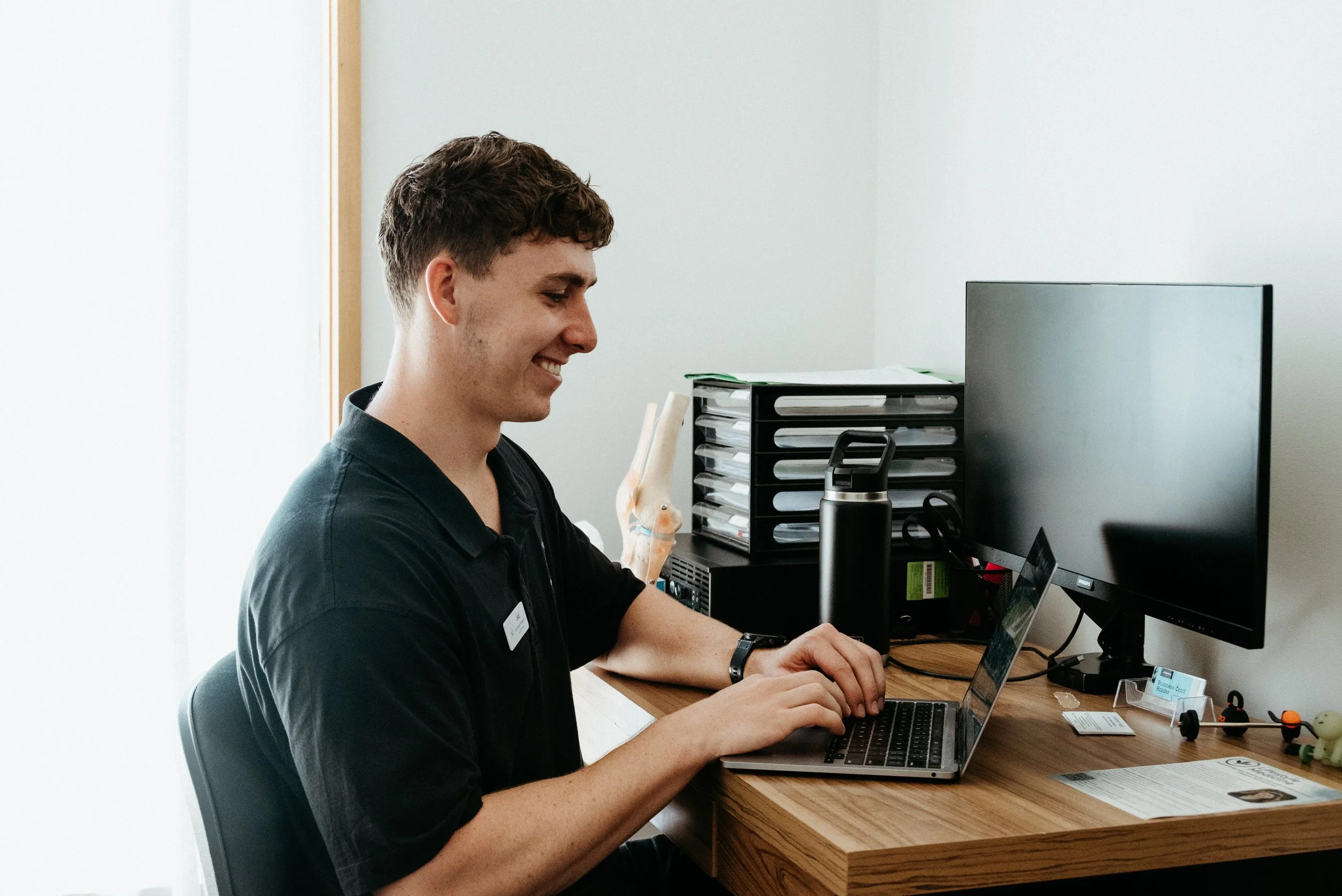
Jed Rodda, Physiotherapist and facilitator of our BackStrong program, works with people of all ages to better understand their back pain, regain confidence in movement, and return to the activities that matter most to them.
If you're ready to take the next step, book an appointment with Jed or contact our team to learn more about BackStrong and the physiotherapy services available at 3D Physiotherapy.
Disclaimer:
This information is general in nature and is intended for educational purposes only. It does not replace personalised medical advice. We recommend consulting with your GP, allied health professional, or qualified practitioner before making any changes to your diet, exercise, or health routine to ensure they are appropriate for your individual needs.