
03 5406 0228

Train Smarter. Recover Faster. Perform Better.
At 3D Physio, we get athletes, whether you're chasing a weekend PB or competing at an elite level. Our mission is simple: keep you doing what you love, injury-free and at your peak.
03 5406 0228
Elevate Your Game
At 3D Physio, we get athletes, whether you're chasing a weekend PB or competing at an elite level.
Our mission is simple: keep you doing what you love, injury-free and at your peak.
Purpose-Built for Performance
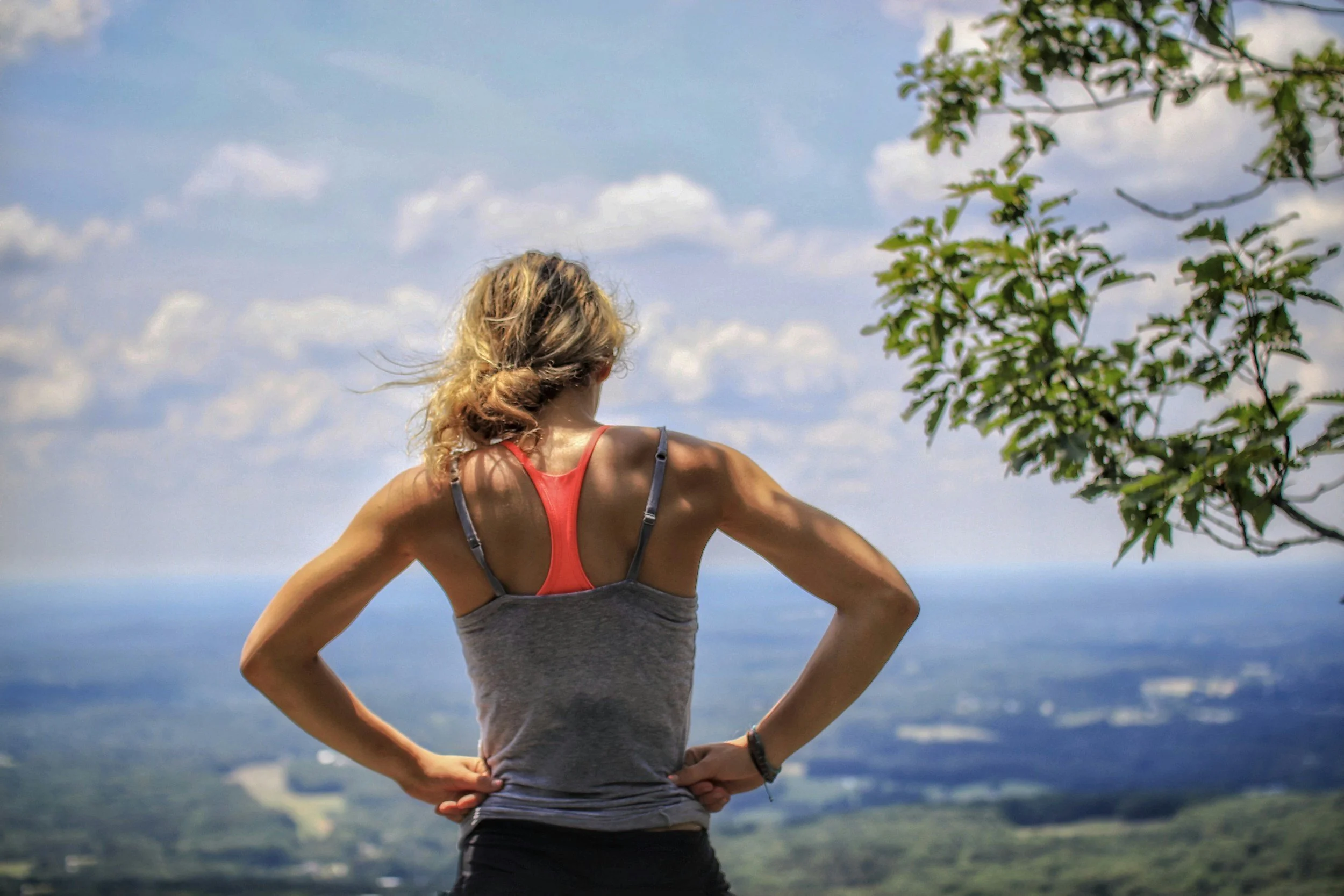
Our functional exercise studio is packed with cutting-edge tech and equipment, force plates, cable machines, Pilates gear, water rowers, treadmills, slide boards, and more. Why? Because no two athletes are the same. We tailor every program to your sport, your goals, and your body.
For Every Athlete
Everyday Athletes
Love your sport but don’t want injuries slowing you down? Our pre-season and in-season programs are designed to build strength, boost performance, and keep you moving, whether you're training for a local comp or just staying active.
Elite Athletes
High performance demands high precision. We offer advanced rehab, pain management, and load monitoring to help you recover faster and return stronger. Our team knows what it takes to compete, and win.
Prevention is Power
Injury prevention is at the heart of what we do. Using objective data and real-world movement patterns, we identify risks before they become problems. Our programs build resilience, flexibility, and strength, so you can train harder, safer.
Rehab That Goes Beyond Recovery
Injured? We’ve got your back. Our rehab programs combine hands-on physio with smart tech to fast-track your recovery. But we don’t stop at healing, we help you come back better, stronger, and more confident.
We Live and Breathe Sport
We’re not just physios, we’re athletes, coaches, and trainers. Our team is active in the local sports scene, from AFL and tennis to triathlon. That means we understand your sport from the inside out.
AFL: On-field experience as players and trainers gives us deep insight into the game’s physical demands.
Tennis: From coaching to racquet stringing, we support players with tailored injury prevention and performance strategies.
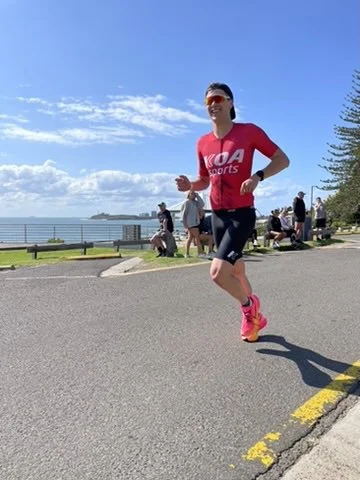
Triathlon: As club members ourselves, we know how to support multi-discipline athletes through training, injury, and race day.
Stay Connected
Follow us on social media for expert tips, injury prevention advice, and behind-the-scenes looks at how we help athletes thrive. Got questions? We’re just a message away.
Ready to Level Up?
Whether you're aiming for a comeback or a personal best, 3D Physio is your partner in performance. Let’s get you moving better, faster, and stronger, starting today.
Questions about GLA:D® Australia at 3D
Here at 3D Physiotherapy we are passionate about working with individuals with hip or knee osteoarthritis (OA). We are extremely lucky to have a number of certified physiotherapists able to deliver the fantastic GLAD program here at 3D.
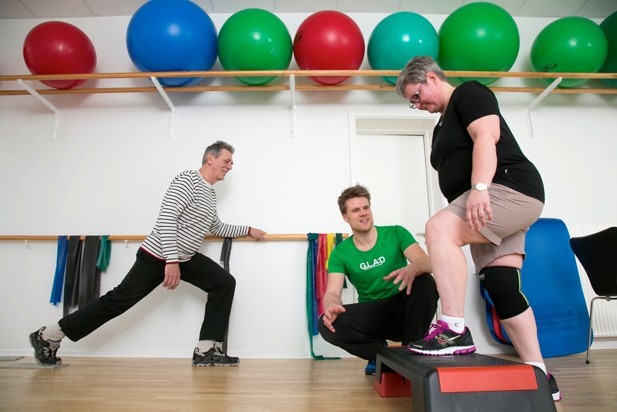
Here at 3D Physiotherapy we are passionate about working with individuals with hip or knee osteoarthritis (OA). We are extremely lucky to have a number of certified physiotherapists able to deliver the fantastic GLA:D® program here at 3D.
The GLA:D® program is a progressive neuromuscular control and strengthening program aimed to improve function, pain and knowledge for those affected by hip and/or knee OA.
We hear so many widespread beliefs and misconceptions from our patients about how to manage or treat their OA. Let’s discuss fact vs fiction about common beliefs based on the latest available evidence.
-
FICTION! Surgery is actually the last line of treatment when helping you address your osteoarthritis, function and pain.
FACT! It is strongly recommended in current evidence that exercise, weight loss, education and lifestyle modifications are addressed prior to heading down the road of surgery.Description text goes here

The treatment pyramid. ALL people with arthritis of the hips and knees should be offered bottom in green, SOME should be offered FIRST and SECOND in orange and FEW should be offered all three levels from bottom up.
-
FICTION! Exercise is actually the first line of treatment for OA. By exercising we are moving and taking weight through the joint which allows you to nourish the joint and the cartilage.
FACT! Exercising will help to increase your strength, joint movement, confidence and move better!scription text goes here
-
FICTION! Often the idea of wear and tear on the joint scares people from moving thinking it will cause more damage.
FACT! OA occurs when we experience more degeneration and a lack of regeneration. Further influenced by many other factors including sleep, stress and negative beliefs. To maintain the health of existing cartilage we must load it appropriately to keep it healthy!tem description
-
FICTION! By participating in the GLA:D® program, you can achieve everything described above by starting to load your joints in a healthy way that nourishes them with our expert guidance.
FACT! The GLA:D® program has had significant improvements for pain, function and quality of life for individuals living with OA. Most of all, it provides the skills, education and knowledge to manage the condition long term. description
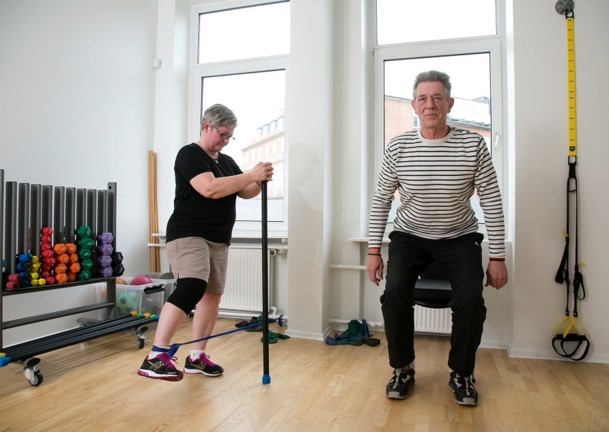
If you are struggling with managing your hip/knee pain and can relate to any of the points above, get in touch with us today!
Let us help you get moving in our GLA:D® program with our certified physiotherapists!
Source: https://gladaustralia.com.au/
Trigger Points & Dry Needling
Ever heard us mention dry needling? Let’s dive into why we love this technique!

Ever heard us mention dry needling? Let’s dive into why we love this technique!
Dry needling uses single-use acupuncture needles to treat pain from myofascial (muscle and fascia) trigger points. These are painful spots in muscles that twitch when pressed. The pain can range from mild to severe and might cause referred pain, weakness, tightness, and even symptoms like sweating or eye watering.
Referred pain from trigger points can be tricky—it doesn’t follow nerve patterns and is often misdiagnosed. It can cause headaches, neck and shoulder pain, arm pain, lower back pain, and even sciatica. Dry needling helps target these issues effectively!
See below examples of trigger point pain patterns:
Did you know trigger points don’t show up on CT, MRI, Ultrasound, or X-ray scans? That’s why you need a skilled manual therapy practitioner, like your Physio, to diagnose them. We’ll ask lots of questions about your pain pattern, location, and what makes it better or worse.
Trigger point pain often doesn’t respond to Panadol or anti-inflammatories, making it tricky to diagnose and treat. But don’t worry—dry needling is a safe and super effective solution when done by an experienced practitioner. It can be a bit painful during treatment and might cause familiar referred pain, but this usually subsides after a few hours to a couple of days, leaving you feeling much better.
All our Physios at 3D offer dry needling, so feel free to discuss your pain at your next appointment. We’re here to help you feel your best!

Travell, J., Simons, D., Simons, L. (1999). Myofascial Pain and Dysfunction: The Trigger Point Manual (2nd ed.). Lippincott, Williams & Wilkins

Rehab for a Calf Strain
A brief summary of an article (see reference) that evaluated the current practices and perspectives of international experts in the assessment, management and prevention of calf muscle strains in elite sports people.
This is a brief summary of an article that dives into how international experts handle calf muscle strains in elite athletes.
The experts shared their insights on assessing, managing, and preventing these types of injuries and came up with six key stages for effective calf strain rehabilitation.
What Do We Know About Calf Muscle Strains?
Calf muscle strains are common in elite athletes and can lead to significant time away from sports. If not managed well, athletes are prone to recurrent calf strains and other leg injuries.

Anatomy of the Calf Muscles
The calf complex includes the gastrocnemius, soleus, and the smaller plantaris muscles.
Gastrocnemius Muscle: This large muscle has two bellies stretching from the Achilles tendon to the back of the knee. It helps bend the knee and point the toes (plantar flexion). Made up mostly of fast-twitch fibers, it's crucial for powerful, high-intensity activities like sprinting and jumping.
Injury Insights
Gastrocnemius injuries often happen suddenly during high-intensity activities, causing acute, severe pain localized to one area. Severe injuries can make walking difficult or impossible, as putting weight on the leg becomes challenging.
Understanding and managing these injuries effectively is key to preventing recurrence and ensuring athletes can return to their sport safely and swiftly.
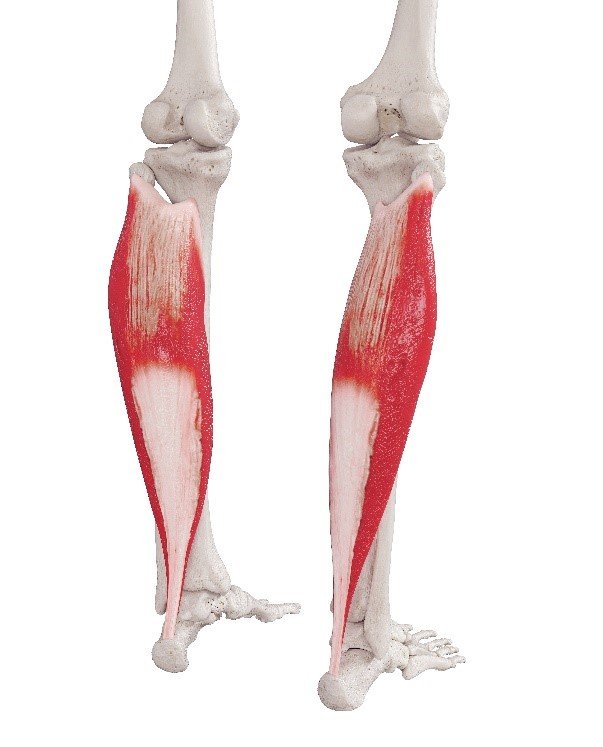
Soleus Muscle Insights
The soleus muscle, located beneath the gastrocnemius, is a broad, shorter muscle involved in ankle plantar flexion (moving the foot away from the body), especially when the knee is bent. Unlike the gastrocnemius, the soleus is made up of slow-twitch muscle fibers, making it essential for endurance activities like long-distance running.
Injuries to the soleus differ from those to the gastrocnemius. They often present as vague tightness or a cramping sensation, which can be easily overlooked. Endurance athletes are more prone to soleus injuries, especially with increased training volume. So, if you're upping your training time, keep an eye on that soleus!
Assessment of calf strain
There are a number of factors to consider during the assessment of someone with calf pain.
We first look at what the source of pain is, and which muscle is likely affected. In addition to ruling out other sources of pain (low back pain, or neural components).
Knowing how the injury occurred is a very important part of assessment- finding out if it was sudden onset or a slow build-up of symptoms.
Key Prognostic indicators/ things to consider post injury:
Can the person walk pain-free, and how long does it take for them to achieve this?
Where is it sore to touch- is it the gastrocnemius or soleus?
Is there a deficit in the amount of ankle movement?
What is the person currently able to do: can they single leg calf raise, can they jump/hop/or run?
What are the demands of the sport or activity the person wishes to return to? Do they need to do sprints, or achieve a high load/volume of training?
Other factors that can affect recovery:
Age
Previous calf injury
Prior calf weakness
Previous lower limb injuries
Six Key Phases for Calf Strain Rehab
-
Load the injured leg as early as possible
Get walking in whatever capacity as soon as possible
Progress exercises to single leg loading early, depending on pain/tolerance, and start small (eg: heel raises)
Don’t forget to exercise the hamstring as well (remembering that it works with the calf to flex the knee)
Start sports specific movements as early as possibleDescription text goes here
-
Start this once the person can tolerate load, and pain and irritability has decreased
Load at length – single leg heel raises through full range
Progressively increase the load by adding weights to the exercisesDescription text goes here
-
Before starting, the person needs to have good ankle range and strength
The calf muscles need to be powerful with consideration for the needs of the sport/goal of the patient
Thinking about exercises which involve: acceleration/deceleration, vertical and horizontal force production, change of direction and sideways/lateral movements as well
Start with skipping (small movements) or jogging on the spot on toes
Progress to larger movements, which could include: forward jumps, bounds, hops. Remembering to start with double leg and progress to single leg
-
Preparation for return to sport or return to running
Start with walking, then move to brisk walking, stair climbs, walking lunges and bear crawls
Soleus injuries – may need to start with short distance running initially and caution with when to progress the volume
Gastrocnemius injuries – there needs to be caution when considering when to begin fast running and higher intensity movements
Prior to return to running, patients should be able to – walk pain free for 30 minutes, jog on spot 1min pain-free, have normal ankle range of motion, have good calf strength and be able to hop
-
Before returning to sport, the following should be considered: no tenderness/pain on palpation, full strength, full range of movement, and good plyometrics
Make good decisions to ensure successful return to sport
Consideration for those who have a history of multiple calf injuries when returning to sport
When first starting back- can there be reduced game time?
-
To think ahead about successful rehabilitation and reducing risk of further injuries- management of calf tightness, any pain or tenderness are signs that things need to be backed off
Calf strains can reoccur in >50%, and therefore regular check ins with the physio to ensure the end stages of rehabilitation and load management are going to plan is very importanttem description
Key Take Away…
Calf muscle strains can be a real pain, especially if they're not managed well, as they tend to come back.
That's why a thorough assessment and a personalised rehab program with a Physiotherapist are crucial. Plus, keeping an eye on things after you return to your sport or activity ensures the best results.
Let's keep those calves strong and healthy!
Blog by Sheena Carey, Senior Physiotherapist
Reference:
Green, B., McClelland, J.A., Semciw, A.I., Schache, A. G., McCall, A., Pizzari, T. (2022) The Assessment, Management and Prevention of Calf Muscle Strain Injuries: A Qualitative Study of the Practices and Perspectives of 20 Expert Sports Clinicians. Sports Medicine - Open 8(10). doi: https://doi.org/10.1186/s40798-021-00364-0

Pelvic Floor Facts
What is the pelvic floor?
The pelvic floor is a group of muscles and ligaments that support the bladder, uterus and bowel. The role of the pelvic floor is to provide support to your pelvic organs in day-to-day life.

What is the pelvic floor?
The pelvic floor is a group of muscles and ligaments that support the bladder, uterus and bowel. The role of the pelvic floor is to provide support to your pelvic organs in day to day life.
There are three openings in the pelvic floor, the urethra, the vagina and the anus, which the pelvic floor acts to support.
Your pelvic floor muscles attach at your pubic bone and your tail bone and provide the ‘floor’ of your pelvis.

Role of your pelvic floor
Your pelvic floor helps you to control your bladder and bowel function and allows you to ‘hold on’ until you are in an appropriate place.
Some issues that can be cause by issues with your pelvic floor include
- Incontinence (involuntary loss of urine or faeces)
- prolapse of pelvic organs
Cause of pelvic floor dysfunction
There are many of reasons a person may have pelvic floor dysfunction. Some common causes include
Pregnancy
Childbirth (especially with a large baby or long labour)
Constipation
Being overweight
Excessive coughing
Changes in hormones, especially in menopause
Heavy lifting
Incontinence
Incontinence is the involuntary loss of urine, faeces or wind. There are 2 main types of incontinence that occur.
-
Poor bladder control can range from anywhere to a small leak when coughing to a complete inability to control your bladder.
Urinary incontinence may be caused by many things and a physiotherapist may be able to help you improve or resolve your symptoms through different treatment strategies
It is thought that up to 13% of Australian men and 37% of Australian women experience some degree of urinary incontinence, yet 70% of people with urinary leakage don’t seek help
-
People with faecal incontinence may struggle to control their bowels
Symptoms include being unable to control a bowel motion, getting some staining in your underwear and being unable to control passing wind
Faecal incontinence may cause by weakness in pelvic floor muscles, constipation or diarrhoea
Approximately 20% of Australian men and 13% of Australian women experience faecal incontinence
-
Do you think you might have an issue with incontinence?
- Do you find you leak before you make it to the toilet?
- Do you feel you can’t fully empty your bladder?
- Do you wake two or more times over night to urinate?
- Due to leak when you cough, sneeze or run?
- Do you strain to empty your bowel?
Prolapse
Prolapse occurs when the walls of the pelvic organs sag down into the vagina. You may feel a heaviness in your vagina or a bulging sensation. Other symptoms include pelvic pain, pain with sex and trouble emptying your bladder. It is thought at approximately 50% of women who have given birth will have some degree of prolapse, however not all women will experience symptoms or issues. Pregnancy and childbirth are the greatest risk factor for prolapse. Other causes can be menopause, heavy lifting, chronic cough and being overweight. There are several management and treatment options that can be provided by your physiotherapist or GP.
How can you prevent damage
Avoid straining on the toilet
Avoid persistent heavy lifting
Treatment for persistent coughing
Stay in a healthy weight range or lose weight
Make pelvic floor exercises part of your day!

Why women don’t seek help
- Embarrassment
- The thought that leaking is ‘normal’
- Poor experiences in the past
It’s very important that you feel comfortable discussing these issues in confidence with your physiotherapist.
Our aim is to make you feel as safe and comfortable as possible.

Ready to Run
As physiotherapists with a special interest in running, we are thrilled to introduce our new comprehensive running assessments tailored to both novice (Stride Start) and experienced runners (Seasoned Striders).

As physiotherapists with a special interest in running, we are thrilled to introduce our new comprehensive running assessments tailored to both novice (Stride Start) and experienced runners (Seasoned Striders).
Whether you’re lacing up your shoes for the first time or you’re a seasoned marathoner, our assessments are designed to help you manage and prevent injuries, improve running performance, and unlock your full potential on the road or trail. Our goal is to keep you running strong and consistently over all desired distances.
Guided Training Schedules:
We understand that every runner is unique, with different goals, abilities, and training histories. Our expert physiotherapists will work with you to create, modify, or advise on a training plan that gradually builds mileage, speed, strength and allows adequate recovery. By following a structured training schedule, you’ll be able to progress towards your running goals safely and effectively while minimising the risk of setbacks.
Lower Limb & Core Strength Assessments:
Strong lower limbs and a stable core are essential for efficient and injury-free running. Our assessments include comprehensive evaluations of lower limb strength and core stability to identify any weaknesses or imbalances that may predispose you to injury. Based on the results of these assessments, we’ll develop targeted strengthening exercises to address areas of weakness and improve overall running biomechanics. By enhancing lower limb strength and core stability, you’ll not only reduce the risk of injury but also improve running efficiency and performance. Strength training plays a crucial role in injury prevention by improving muscular endurance, enhancing joint stability, and correcting biomechanical imbalances. Our physiotherapists will prescribe exercises that target the key muscle groups involved in running, to help you become a stronger and more resilient runner.
Gait Analysis:
Sometimes your running form and biomechanics can cause stress loading to a particular area that may predispose you to an injury. We’ll assess your gait characteristics and provide feedback and recommendations to help you optimise your running mechanics if needed.
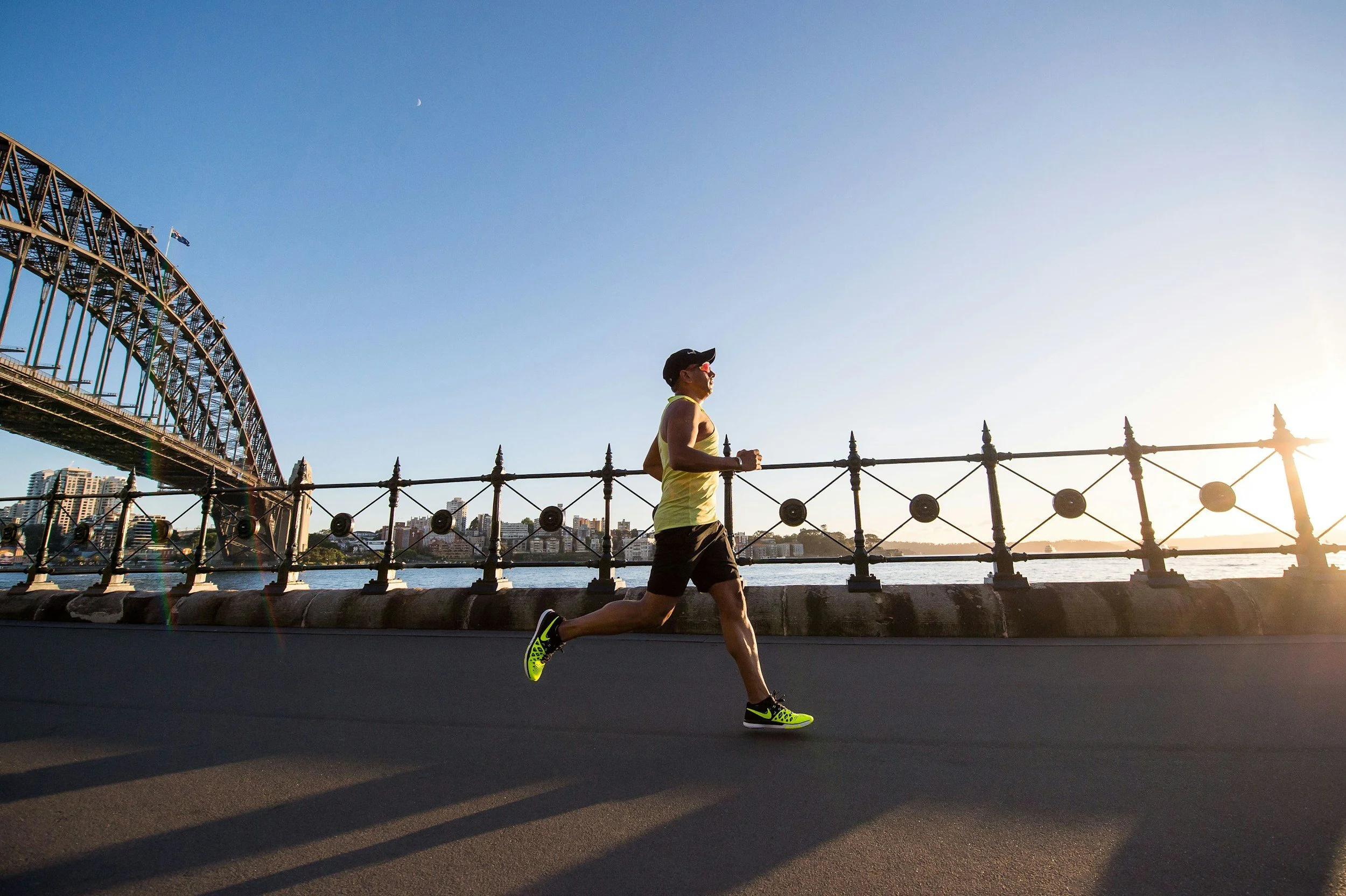
Injury Management & Prevention:
Despite our best efforts, injuries can still occur, especially with the repetitive nature of running. That’s why our running assessments include comprehensive strategies for injury management and prevention. Whether you’re dealing with a nagging injury or looking to prevent future setbacks, our physiotherapists will develop a customised program tailored to your specific needs. From manual therapy to therapeutic exercises, we’ll employ a variety of techniques to help you recover quickly and safely. Additionally, we’ll provide guidance on modifying your training program and addressing any biomechanical factors that may contribute to injury, helping you stay healthy and injury-free for the long term.
Running is a rewarding and exhilarating activity that offers numerous physical and mental benefits. However, it is essential to approach it with caution and respect your body’s limits. Our comprehensive running assessments are designed to empower runners of all levels to train smarter, stay injury-free and reach their full potential. Whether you’re a beginner looking to start on the right foot or an experienced runner aiming to take your performance to the next level, we are here to support you every step of the way. With our guidance and expertise, you can enjoy a lifetime of healthy, enjoyable and injury-free running.

Is cycling breaking you?
Osteoporosis and the battle of ageing
Osteoporosis is the most common bone disease, affecting 200 million people globally. In Australia, 23% of women and 5% of men over 50 have osteoporosis, primarily due to aging.




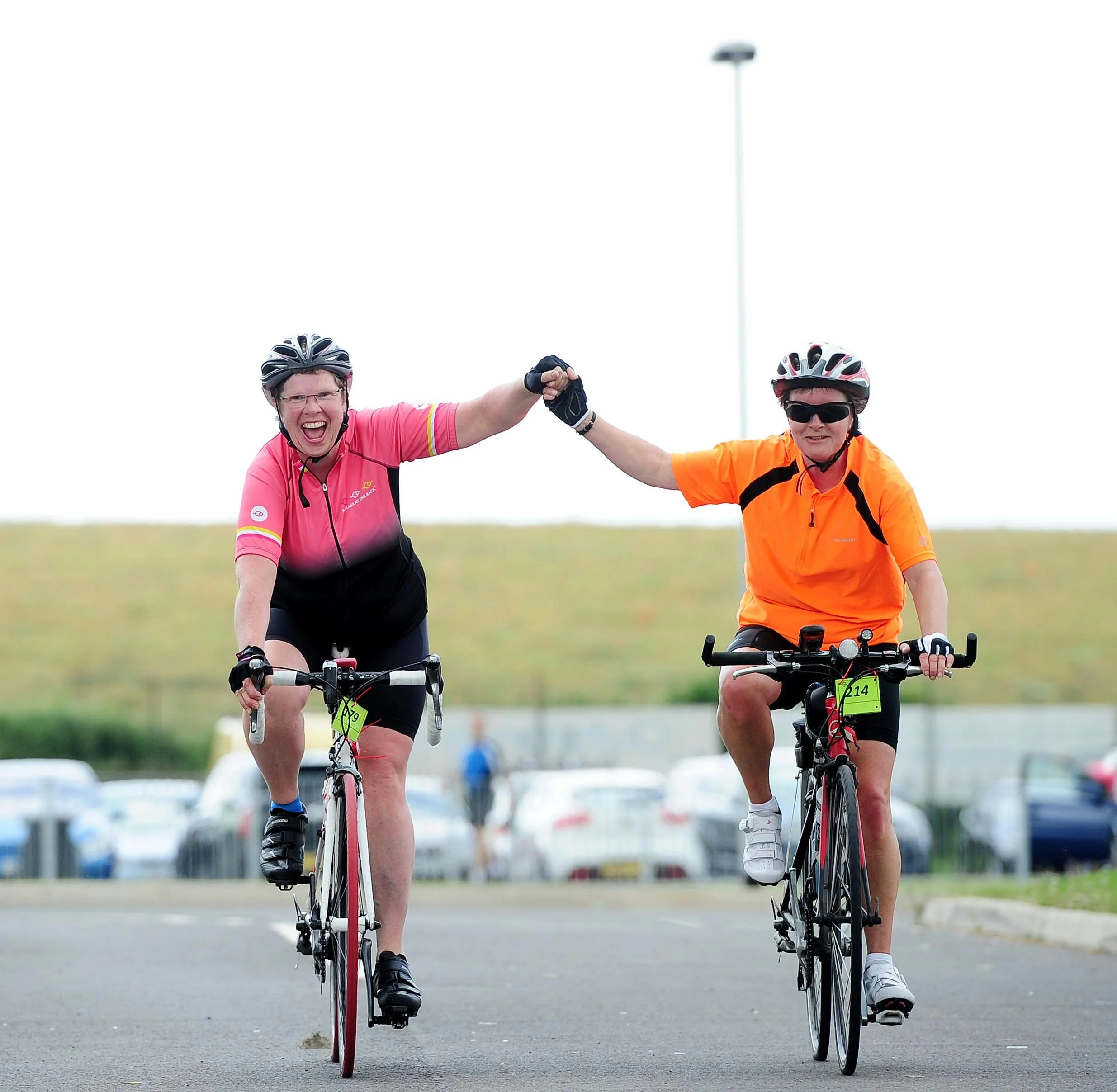
Osteoporosis and the battle of ageing
Osteoporosis is the most common bone disease, affecting 200 million people globally. In Australia, 23% of women and 5% of men over 50 have osteoporosis, primarily due to aging. This condition weakens bones, making them fragile and prone to fractures from minor incidents. Bone health involves a balance of deposition and reabsorption, but after 50, reabsorption surpasses deposition.
While women over 50 are at higher risk, men, especially those who only cycle or swim, are also significantly affected. Awareness and intervention for men are crucial.
In simple terms…
Men are more likely to develop osteoporosis at an older age. They are less likely to participate in preventative screening assessments, increasing their risk. Additionally, men who engage only in non-weight-bearing sports, like cycling or swimming, face a higher risk of fractures.
Facts about men and osteoporosis
Men experience more osteoporosis-related complications than women, such as fractures, loss of function, and pain.
In 2012, only 18% of men had undergone osteoporosis screening compared to 60% of women.
Men over 50 have a 27% risk of osteoporotic fractures.
From 2002 to 2012, hospitalizations for minimal trauma hip fractures in men over 50 increased by 36%.
Post-hip fracture, only 8% of men receive osteoporosis treatment compared to 24% of women, and 9% of men receive appropriate treatment 1-5 years post-fracture compared to 48% of women.
Men who smoke are more likely to lose bone mineral density than women.
I cycle or swim regularly, why am I more at risk?
Recent studies show that males who cycle or swim have lower bone mineral density (BMD), increasing their fracture risk. Master cyclists have a higher prevalence of osteoporosis and osteopenia (89%) compared to inactive peers (61%). Low-impact sports like cycling and swimming don't promote BMD, leading to earlier bone loss.
Cyclists are at higher risk for osteoporosis due to low bone loading. Evidence suggests cyclists and swimmers should engage in weight-bearing activities like strength, plyometric, or high-impact training to improve BMD. Other risk factors include high training volume, overtraining, and poor nutrition, affecting energy, hormone levels, and calcium intake.
Take Home Message
We are all at risk of osteoporosis as we age.
It is important to stay strong with weight bearing exercise.
Encourage screening and prevention in those aged over 50 +, particularly with history of fractures or breaks.
Men – you are at risk too!
Sources:
Abrahin, O., Rodrigues, R. P., Marçal, A. C., Alves, E. A. C., Figueiredo, R. C., & de Sousa, E. C. (2016). Swimming and cycling do not cause positive effects on bone mineral density: a systematic review. Revista Brasileira de Reumatologia (English Edition), 56(4), 345-351.
Alswat, K. A. (2017). Gender disparities in osteoporosis. Journal of clinical medicine research, 9(5), 382.
Andersen, O. K., Clarsen, B., Garthe, I., Mørland, M., & Stensrud, T. (2018). Bone health in elite Norwegian endurance cyclists and runners: a cross-sectional study. BMJ open sport & exercise medicine, 4(1).
Australian Institute of Health and Welfare. (2014). Estimating the Prevalence of Osteoporosis in Australia. https://www.aihw.gov.au/reports/chronic-musculoskeletal-conditions/estimating-the-prevalence-of-osteoporosis-in-austr/contents/table-of-contents
Smathers, A. M., Bemben, M. G., & Bemben, D. A. (2009). Bone density comparisons in male competitive road cyclists and untrained controls. Medicine and Science in Sports and Exercise, 41(2), 290-296.
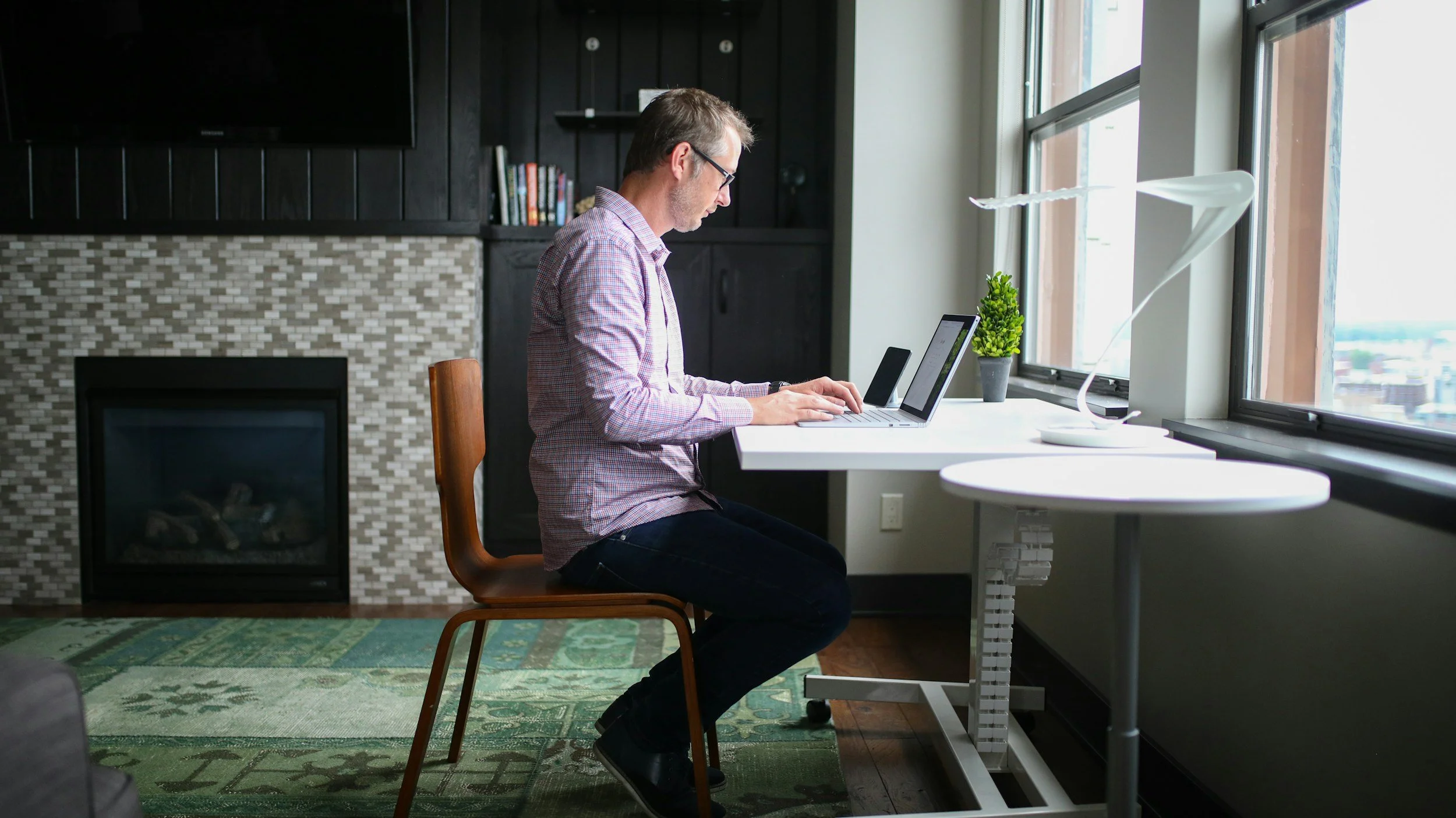
Why sitting is killing you!
Over 56% of Australian adults, or more than 9.5 million people, are sedentary or have low physical activity levels.

Get Moving, Get Fit, and Break the Sit!
Physical Activity is…
any movement that gets your body going and your heart pumping! Whether it's housework, gardening, commuting, or walking, these activities boost your energy and quicken your breath.
Not to be confused with exercise!
Exercise is…
the superstar of physical activity! It's planned, structured, and repetitive, designed to enhance your fitness, strength, flexibility, and endurance. Think of it as your personal fitness routine.
Sedentary Behaviour is…
the enemy of activity, involving prolonged sitting or lying down (not sleeping) during work, travel, or leisure.
Did you know?
Over 56% of Australian adults, or more than 9.5 million people, are sedentary or have low physical activity levels. This inactivity is a major risk factor for weight gain and chronic diseases like heart disease, diabetes, and some cancers. Extremely sedentary behavior increases the risk of death by 49%!
While sitting at a desk for work may be unavoidable, it's crucial to stay active during leisure time. With our growing reliance on technology, we spend more time watching TV, playing video games, and surfing the net. Take charge of your health and get moving!

The benefits of being more physically active…
Reduces your risk of cardiovascular disease (including high blood pressure, coronary artery disease, stroke)
Reduces the risk of type 2 diabetes
Improves muscular fitness and strength
Reduces risk/manages depression and anxiety
Reduces risk of obesity
Reduces your falls risk
Improves bone health
Reduces the risk of some forms of cancers
Reduces your risk of postural related musculoskeletal disorders
How much physical activity is recommended?
The WHO (World Health Organisation) recommends adults get at least 150 minutes of moderate-intensity activity or 75 minutes of vigorous-intensity activity weekly.
For extra health benefits, aim for 300 minutes (5 hours) per week of moderate activity. Include muscle-strengthening exercises for major muscle groups on 2 or more days a week.
Remember, it's not only about structured exercise. If all else fails…. just MOVE! Reducing sedentary time is key to maintaining or improving your health.
So, get up and get active!

Let's get moving and have fun!
Boost Your Activity Levels!
During Work:
Break up your sitting time—walk around every 30 minutes (set an alarm if needed).
Take a short walk at lunchtime.
Use the stairs whenever possible.
Park further away, ride a bike, or get off public transport a stop early.
During Leisure:
Any activity is better than none! Start slow and gradually increase.
Walking, swimming, and cycling are great starters.
Limit your screen time.
Get outdoors and make it social.
Establish a routine—set aside time daily for your physical and mental well-being.

Returning to Exercise After Giving Birth
Returning to exercise after giving birth is an exciting but daunting time for new mums. Navigating the right time to start, choosing suitable exercises, and ensuring self-care, can be overwhelming.

Returning to exercise after giving birth is an exciting but daunting time for new mums. Navigating the right time to start, choosing suitable exercises, and ensuring self-care, can be overwhelming. Our expert physiotherapist, specialising in prenatal and postnatal care, offers valuable insights and guidance to help you confidently and safely resume your fitness routine.
Safe movement in the first 6 weeks
Gentle walking
Gentle core exercises prescribed by a physio
Pelvic floor exercises
Things to avoid in the first 6 weeks
Lifting anything heavier than your baby
Running, jumping or any other high impact exercise
Exercises that make you ‘bear down’ through your core
Anything that hurts, feels uncomfortable or you don’t feel confident doing
After 6 weeks
It's recommended to see a physiotherapist before starting more intense exercise. Your physio will ensure you're ready by checking:
Your pelvic floor
Abdominal separation
Any other injuries or health issues
When returning to exercise, consider the type, intensity, and frequency. Gradually increase your activity to safely ease back into exercise, reducing the risk of injury.
For your long-term health, ensure your pelvic floor and core muscles are strong before returning to high-impact activities like running and jumping. If you've had any pelvic floor or continence issues during or after pregnancy, consult your physio before starting these exercises.
Gentle Post-natal exercises for after 4-6 weeks
BRIDGE
2 x 10 repetitions per day


MINI CRUNCH
2 x 10 repetitions per day


ARM EXTENSION
2 x 5 repetitions per day


Squats and Lunges
The Power of Squats and Lunges for a Stronger, Healthier You!
Squats and lunges are excellent exercises for people of all ages and abilities.
The Power of Squats and Lunges for a Stronger, Healthier You!
Squats and lunges are excellent exercises for people of all ages and abilities. They don’t require any equipment and are easy to do, and have many reported benefits such as:
Enhanced Daily Activities: Help you perform everyday tasks more easily, such as getting up from a chair, reaching for items in low cupboards, walking, running, and climbing stairs.
Boost Strength and Tone: Target and strengthen your buttocks (gluteals) and thighs (hamstrings and quadriceps).
Improve Balance and Flexibility: Help maintain and enhance the flexibility and balance of your hips, knees, and ankles.
Increase Heart Rate and Burn Fat: Elevate your heart rate, aiding in fat burning.
Enhance Core Stability: Improve the stability of your deep abdominal muscles, providing better support for your spine.

HOW TO SQUAT CORRECTLY
Hold on for support if needed
Start with your knees straight or turned out slightly, feet hip distance apart
Bend your knees and move your bottom back
Keep knees in line with mid toes & behind toes
Body weight should be through your heels
Keep your back straight and core engaged, your heels on the floor and equal weight through both legs
Progressions and variations
Less advanced: Decrease the amount of knee bend.
More advanced: Increase the amount of knee bend and add weight

HOW TO LUNGE CORRECTLY