
03 5406 0228

Bending the rules with Hypermobility
If you’ve been diagnosed with Hypermobility Spectrum Disorder (HSD) or Ehlers-Danlos Syndrome (EDS), or brushed off as ‘just flexible’, yet your body feels sore, exhausted, or unpredictable, you’re not imagining it.
Read on, you’re in the right place.
03 5406 0228
If you’ve been diagnosed with Hypermobility Spectrum Disorder (HSD) or Ehlers-Danlos Syndrome (EDS), or brushed off as ‘just flexible’, yet your body feels sore, exhausted, or unpredictable, you’re not imagining it.
Read on, you’re in the right place.
Hypermobility is something that sounds impressive to others but can feel confusing for you.
Yes, your joints move further than average, no, that doesn’t automatically make life easier.
In fact, for many people, it raises a lot of questions:
Why does my body hurt if I’m so flexible?
Why do I feel fine one day and wiped out the next?
Should I be stretching more… or less?
Let’s break down what living with hypermobility means for you!
What is Hypermobility?
Hypermobility simply means your joints move beyond the usual range. This often comes from your connective tissue (such as ligaments) being more elastic than average.
Some people are hypermobile and have no symptoms at all. Others may experience things like:
Aches or joint pain
Frequent sprains or strains
Fatigue or a heavy, ‘working hard’ feeling in the body
Clicking or clunking joints
Difficulty with prolonged sitting, standing, or repetitive tasks

Hypermobility can exist on its own across one or more joints in the body. It may also coexist with other conditions related to musculoskeletal, neurological, gastrointestinal, skin, energy/fatigue or mental health.
Flexible Doesn’t Mean Fragile

A common misconception is that hypermobile people are weak. In reality, many hypermobile bodies are strong, capable, and adaptable, they just work a bit differently.
The main issue isn’t strength alone, but control and endurance.
When joints move easily, muscles must work harder to keep things feeling stable and this can appear as muscle tightness. Over time, this extra effort can lead to fatigue, discomfort, or flare‑ups. Especially during busy periods or stressful weeks.
This is why many people with hypermobility say:
“I start the day fine, but fade by evening”
“I can exercise, but I pay for it later”
“Standing still is harder than moving”
You’re not imagining it. Your body is trying to negotiate a different balance.
Should I be Stretching?
Stretching often feels good, and sometimes, it is helpful. But for hypermobile bodies, stretching everything because it feels tight can be a bit like loosening an already wobbly table leg.
For many people with hypermobility:
More range isn’t what’s missing
Support, control, and confidence often give better results
Stiff sensations may come from tired muscles, not true muscle tightness
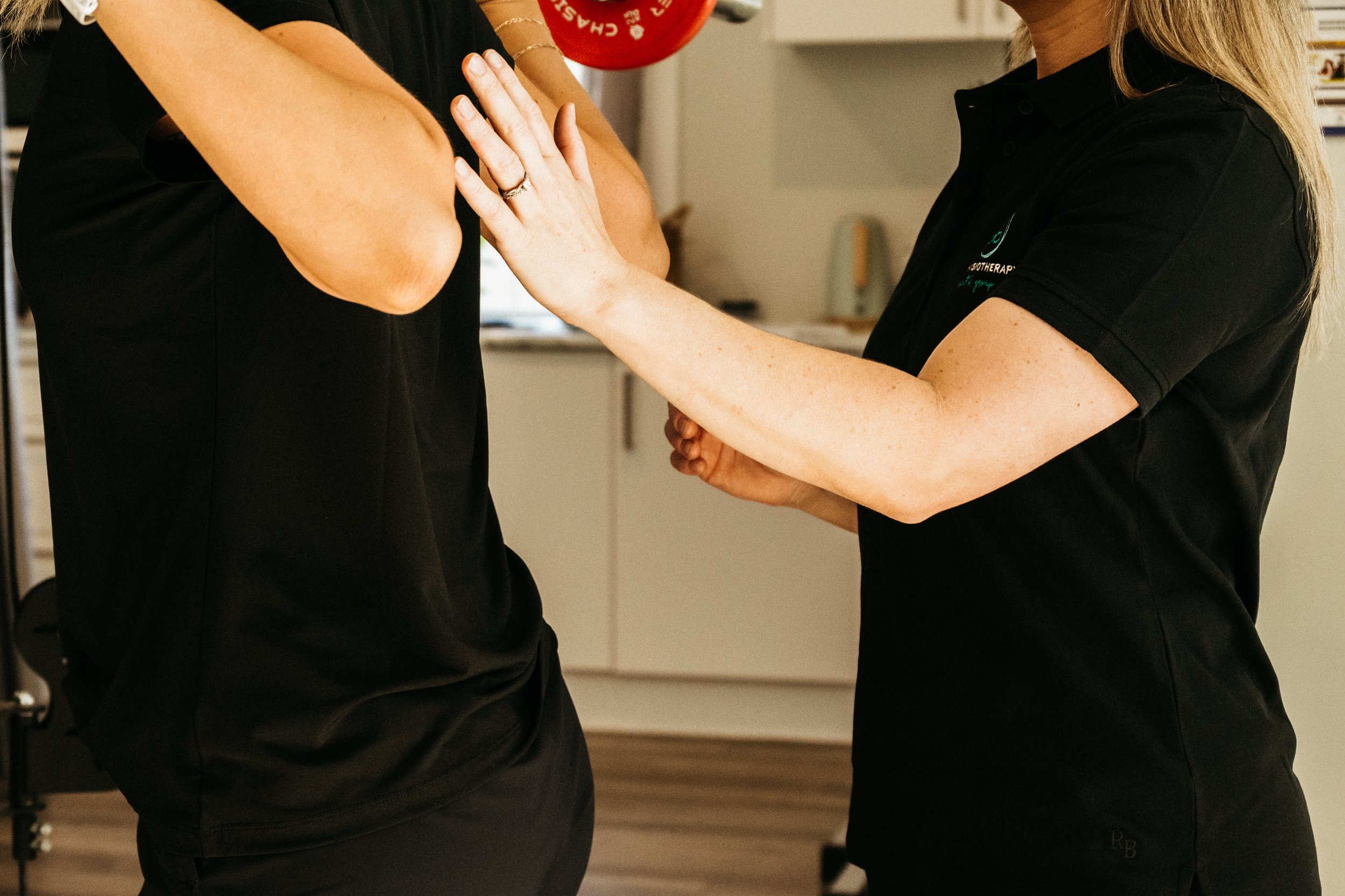
This doesn’t mean never stretch. It means stretching should be intentional, guided by good technique and paired with strength as well as control.
How can Physiotherapy help?
As physiotherapists we review you as a whole person. We talk about your goals and assess your functional quality of movement. We identify the areas where you may need extra help, then support you using multiple modalities including:
Strength training
Neuromuscular control
Strength through range of motion
Building muscle endurance, not just power
Body Awareness
Balance work
Slow, intentional movement
Proprioceptive awareness – your body’s sense of position and movement
Manual therapy
To relieve muscle aches
Reduce muscle guarding
Support body awareness
Pacing Yourself
Strategies to reduce fatigue and pain throughout the day
Flare up management
Identifying triggers
Activity modification
If you are living with hypermobility and would like to find out how we can support your wellness goals. Or you would like to learn more about this condition, book in for a 1:1 assessment today.
Midlife weight gain: what your body is trying to tell you.
Midlife can feel like the moment your body changes the rules without warning. Weight gathers around your middle. Strength feels different. Recovery takes longer. For many people, this feels like a personal failure, but it is really a physiological shift. Your biology is adapting to a new phase, and understanding this shift can help you work with your body rather than feeling frustrated by it.
03 5406 0228
Midlife can feel like the moment your body changes the rules without warning. Weight gathers around your middle. Strength feels different. Recovery takes longer. For many people, this feels like a personal failure, but it is really a physiological shift. Your biology is adapting to a new phase, and understanding this shift can help you work with your body rather than feeling frustrated by it.
A common belief is that metabolism slows sharply in midlife, causing weight gain. But large population research shows that our resting metabolism stays steady from about age twenty to sixty. So the changes you feel are real, but they are not caused by a broken metabolism. They are caused by changes in hormones, activity levels, sleep, stress and, most importantly, muscle loss.
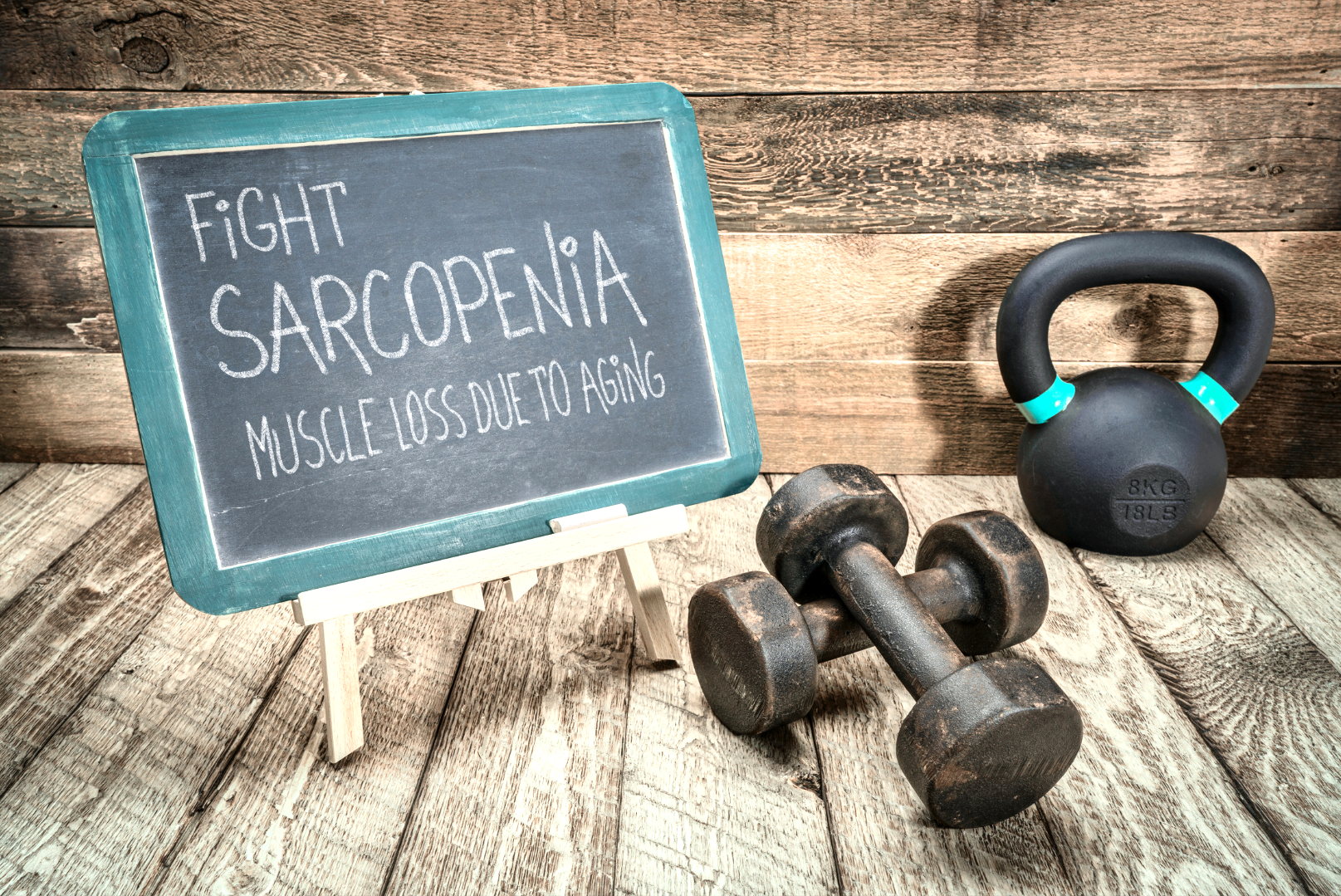
This muscle loss has a name: sarcopenia. And it begins earlier, and influences more things, than most people realise.
Why weight changes in midlife
Although metabolism stays steady (until around the age of 60), the way your body uses energy changes.











Loss of muscle
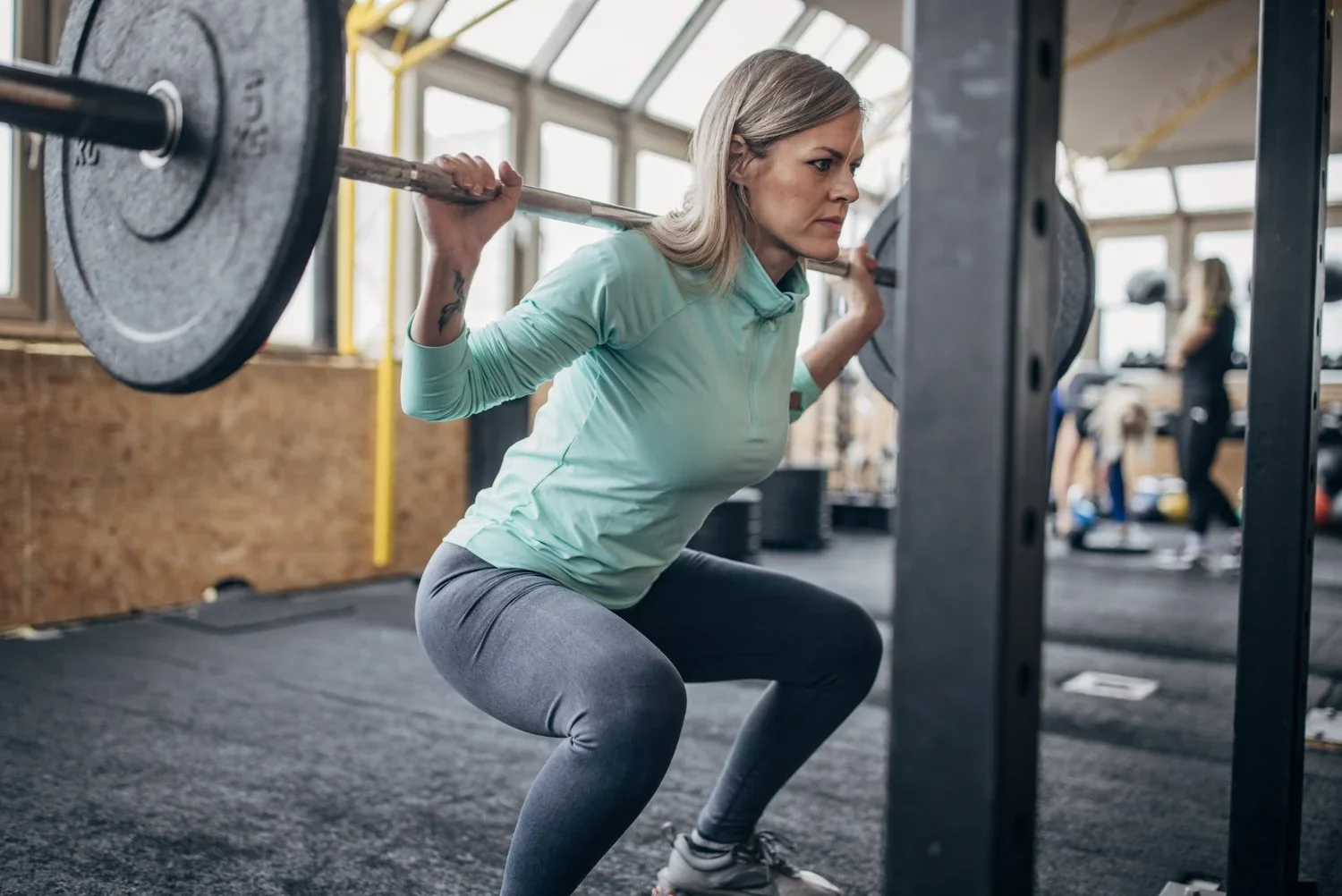
Studies say that adults lose about three to eight percent of their muscle each decade after thirty, and this accelerates after fifty. Because muscle uses energy even at rest, losing muscle means your body runs at a slightly lower energy cost each day. You may be eating the same foods and moving the same amount, but your body is burning less calories (even at rest).
Maintaining your muscle mass is the most important way to improve your overall health and quality of life, especially as you age
Shifting hormones
Research shows that declining oestrogen in women increases abdominal fat storage and reduces lean mass. For men, lower testosterone is linked with higher fat mass and lower muscle. These shifts do not make weight gain inevitable, but they do change the terrain.
Changes in daily movement
Many people sit more at work, drive more, and move less as life gets busier. Even a small drop in day to day movement can reduce your energy burnt by hundreds of calories without you realising.
Sleep and stress
Studies say shorter sleep drives up hunger signals and reduces appetite control. Chronic stress raises cortisol, which is strongly linked with fat storage around the middle.
All of these changes add up, but sarcopenia sits at the centre.
Sarcopenia: the quiet driver of midlife change
Sarcopenia is the slow and steady loss of muscle, strength and function. It does not happen overnight, and it does not wait until old age. It starts in our thirties and continues unless we interrupt it.
Research shows that sarcopenia:
lowers strength
reduces energy use (calorie burn)
increases fat storage
reduces blood sugar control
affects balance, mobility and confidence
The good news is that it is highly responsive to action.
Strength training: the most effective tool we have
Across many studies, strength training is the strongest intervention for slowing or reversing muscle loss. It helps rebuild lean mass, improves strength, supports bone health and increases confidence in movement.
Research shows you do not need heavy weights or long gym sessions. What you need is regular challenge to your muscles to fatigue.
Programs that work well include:
2-3 strength sessions per week
movements that train major muscle groups (think the big muscles in your legs)
8-12 reps
1-3 sets
Strength training is not just exercise. It is a message to your body that you want to keep your muscle.
The role of protein
As we age, our muscles become slower to respond to protein. This means midlife adults need more protein than younger adults to support muscle repair and growth.
International nutrition guidelines advise about 1.2 to 1.6 grams of protein per kg of body weight per day for maintaining muscle. Protein supports appetite regulation, recovery and metabolic health.
The most powerful combination in research is strength training plus enough protein across the day.
What about cardio?
Cardio supports heart health, brain health and mental wellbeing. It helps reduce deep belly fat and improves insulin sensitivity. But studies say cardio alone does not prevent muscle loss. It is helpful, but it cannot replace strength training when the goal is keeping muscle.
Pulling it all together



Midlife is not a decline. It is a shift. And your body is asking for new inputs.
The actions with the strongest evidence are:
strength training two or three times a week – work to fatigue each set
eating enough protein
moving more incidentally across the day
improving sleep
supporting stress
seeking hormonal guidance from a professional if required
Your body is not failing. It is adapting. And with the right support, midlife can become a time of rebuilding strength, health and confidence.
At 3D Physio we have Physios, Exercise Physiologists and a Lifestyle Medicine GP to help with all of your strength training, nutrition, hormonal, sleep and health advice.
References:
Pontzer, H. et al. (2021). Daily energy expenditure through the human lifespan. Science.
Shafiee, G. et al. (2017). Prevalence and causes of sarcopenia. Clinical Cases in Mineral and Bone Metabolism.
Westcott, W. (2012). Resistance training is medicine. Current Sports Medicine Reports.
Miller, S. et al. (2013). Optimising protein intake for older adults. Nutrients.
Lovejoy, J. (2009). The menopause and body composition. International Journal of Obesity.
Kelley, G. (2017). Aerobic exercise and abdominal fat. Journal of Obesity.
An osteoporosis diagnosis is not the end of the story.
Osteoporosis is far more common than many people realise, and receiving a diagnosis can feel overwhelming. But there is a great deal you can do to strengthen your bones, reduce your fracture risk, and stay active doing the things you love. At 3D Physiotherapy, we help clients across Bendigo, Kennington and Boort understand their bone health and build long-term confidence through evidence-based movement and whole-body care.
How to reduce your fracture risk and live your best life!
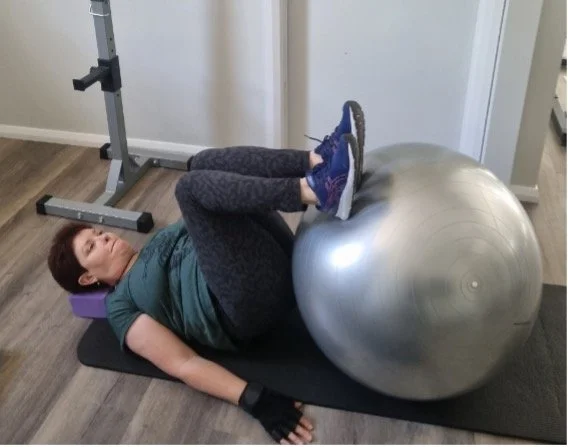
Double leg bridge on exercise ball.
Osteoporosis is far more common than many people realise, and receiving a diagnosis can feel overwhelming. But there is a great deal you can do to strengthen your bones, reduce your fracture risk, and stay active doing the things you love.
At 3D Physiotherapy, we help clients across Bendigo, Kennington and Boort understand their bone health and build long-term confidence through evidence-based movement and whole-body care.
Understanding osteoporosis
Osteoporosis occurs when bone loses density and strength over time. This happens when the body breaks down old bone faster than it can build new bone. The result is bone that becomes thinner, weaker and more susceptible to fractures. Many people don’t notice symptoms until later stages, but early signs may include:
Reduced height
A rounded or stooped posture
Greater stiffness through the mid-back
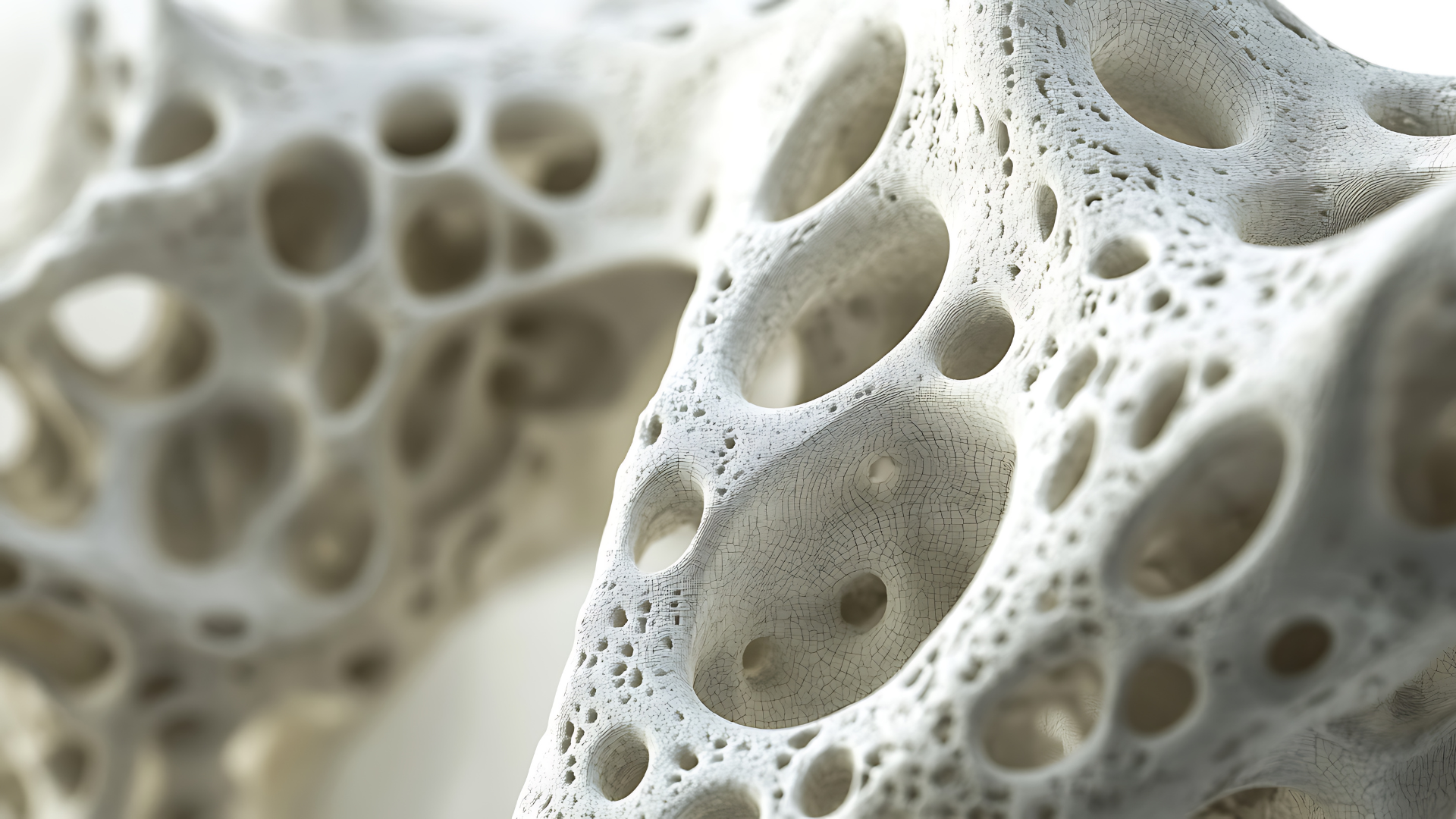
Close up of bone density.
Who is at risk?
Anyone can develop osteoporosis, but certain factors increase your risk:
Post-menopausal women
Advancing age
Family history
Small or underweight body type
Diet low in calcium and vitamin D
Smoking or high alcohol intake
Sedentary lifestyle
Eating disorders
Medical conditions such as hyperthyroidism, rheumatoid arthritis, diabetes, or kidney and liver disease
Digestive conditions such as coeliac disease or inflammatory bowel disease
How is osteoporosis diagnosed?

Medical professional with scrubs and gloves on reviewing a report.
A DEXA scan (Dual-energy X-ray absorptiometry) is used to measure bone mineral density in the spine, hip and sometimes the wrist. Results are reported as T-scores:
Normal: +1 to -1
Osteopenia: -1 to -2.5
Osteoporosis: -2.5 or lower
Does a low T-score mean I’ll fracture?
Not necessarily. Bone density is only one part of the equation. Many fractures occur because of falls, not because bones simply ‘break on their own.’ This is why strength, balance, coordination and reaction time are so important. Improving these reduces your likelihood of falling and therefore reduces fracture risk.
Can osteoporosis be reversed?
This is a question many clients ask. Conventionally, people are told that osteoporosis cannot be reversed, even if their T-score improves. This view is based on the idea that medications can improve the scan number but may not change the underlying reason bone was lost in the first place.
However, experts such as Dr Doug Lucas, an osteoporosis specialist and researcher, highlight the importance of addressing the root causes of bone loss: nutrition, strength training, hormonal changes, inflammation, metabolic health, sleep and stress.
When these drivers are supported, bone physiology can change in meaningful ways.
The most important message is this:
Bone is living tissue. When you change the inputs, you can change the outcomes.
What you can do to reduce your fracture risk.
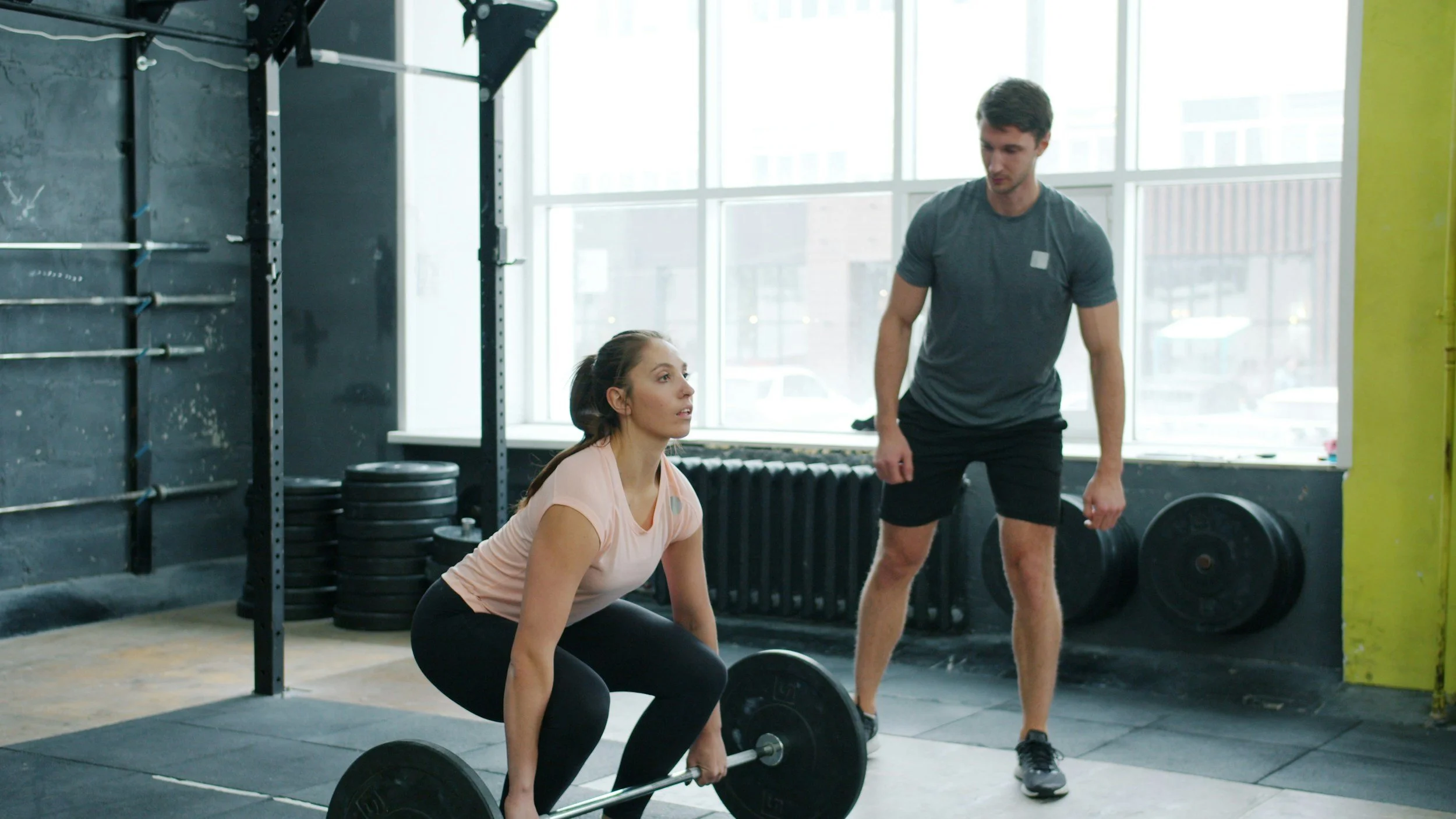
Woman dead lifting weights.
There is a lot within your control, and the evidence is strong.
You can:
Build bone density through targeted strength and impact training
Improve muscle mass to support and stabilise joints
Enhance balance, coordination and agility to prevent falls
Support your overall health through nutrition, sleep and stress management
Use medication when clinically appropriate and in collaboration with your healthcare team
What exercise works best?
Not all exercise influences bone the same way. Walking, swimming or cycling are excellent for cardiovascular health, but they don’t provide the mechanical force bones need to grow stronger.
Bones respond to heavy, targeted loading. Research including the LIFTMOR trial has shown that high-intensity resistance training and impact exercise performed twice weekly can significantly improve:
Bone density
Balance
Functional strength
Posture
Confidence in movement
These outcomes occur safely when the exercises are supervised and structured well.
The ONERO® program at 3D Physiotherapy
At 3D Physiotherapy, we deliver the ONERO® program, an evidence-based strength and impact training approach developed directly from the LIFTMOR research. Designed for people with at risk of low bone density, osteopenia and osteoporosis,
ONERO® helps to:
Increase bone strength
Reduce fracture risk
Improve balance and muscle mass
Enhance mobility and posture
Build confidence in everyday movement
We focus on empowering you to understand your body, move safely and feel in control of your long-term health.
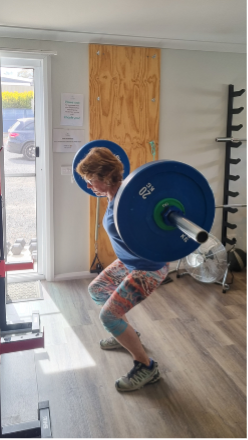
Woman back squatting weights
Taking the first step
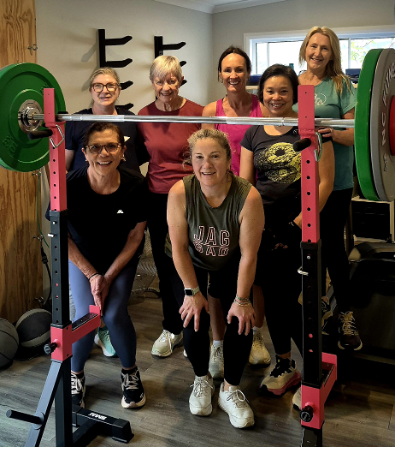
A group of ladies in exercise clothes who have just finished an ONERO® class.
If you have low bone density or osteoporosis, you are not powerless. You can take meaningful, evidence-based steps to strengthen your bones and protect your future mobility.
These lifestyle changes will help:
Stay active
Get strong
Improve your balance
Learn how to move with confidence
Join our Onero classes for expert support and a clear, structured plan
Our team brings genuine care, passion and expertise to every session. We work with you as a partner in your health, supporting you to build resilience, prevent injury and create long-term wellbeing.
If you’re ready to understand your body, protect your bones and live life on your terms, we’re here to help you get started.
Why strength training matters for your pre‑season sport preparation.
If you’re heading into pre‑season, you already know this phase can make or break your upcoming year. It’s your chance to build the resilience and confidence you’ll rely on when competition intensity lifts. From a physiotherapy perspective, strength training is one of the most powerful tools you can use to prepare your body well, no matter your sport or level.
If you’re heading into pre‑season, you already know this phase can make or break your upcoming year. It’s your chance to build the resilience and confidence you’ll rely on when competition intensity lifts. From a physiotherapy perspective, strength training is one of the most powerful tools you can use to prepare your body well, no matter your sport or level.
Many athletes focus heavily on fitness, skills, and conditioning, but without a solid strength foundation, the risk of injury increases and performance often plateaus once the season kicks in. Strength is the key ingredient that helps you train harder, recover better, and stay on the field.
Building resilience before the demands increase
Once competition begins, everything ramps up, speed, volume, contact, fatigue, and the unpredictability of game demands, we all know how match fitness is next level fitness! Muscles, tendons, ligaments, and joints need the capacity to tolerate these forces.
A well‑structured pre‑season strength program allows your tissues to adapt progressively and safely before match‑intensity loads arrive. This is where we see a significant reduction in common injuries such as strains, sprains, tendinopathies, and overload‑related pain. Stronger tissues simply cope better, giving you confidence and durability as the season unfolds.
Improving performance on the field
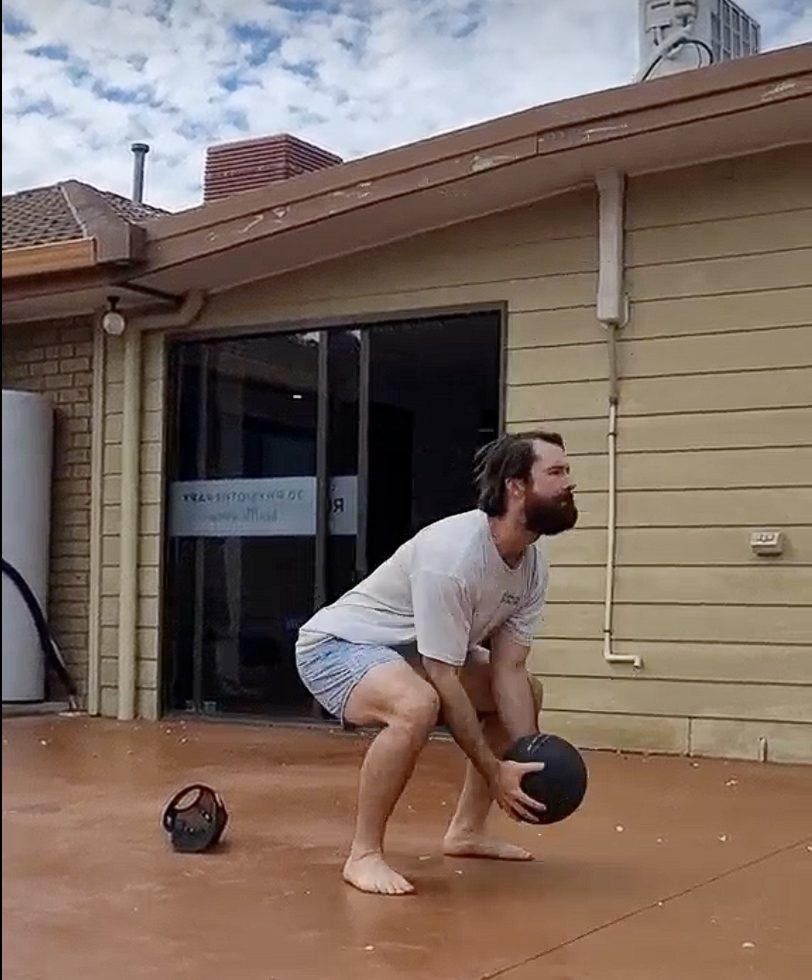
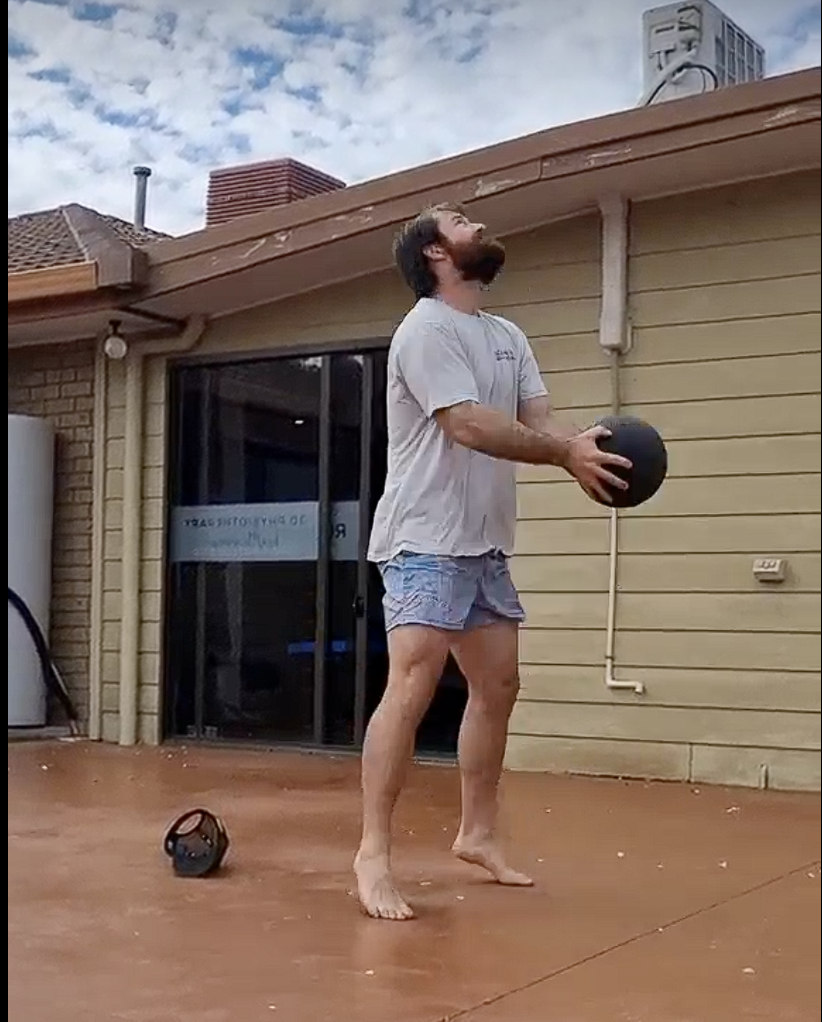
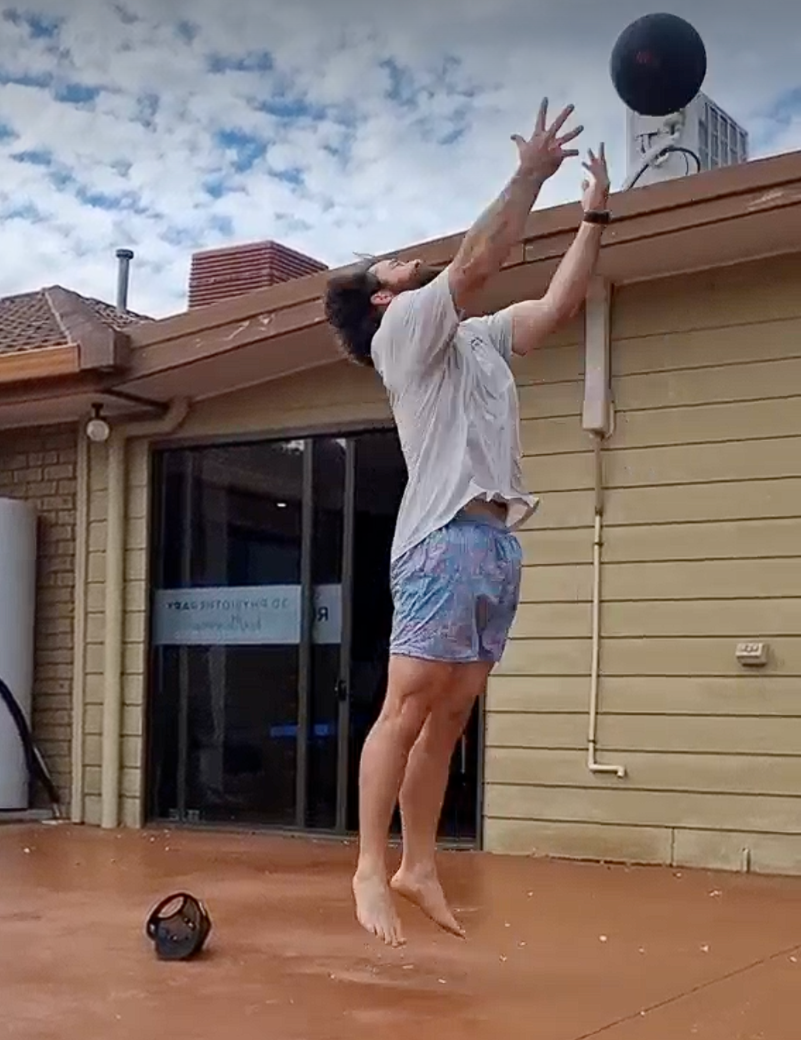
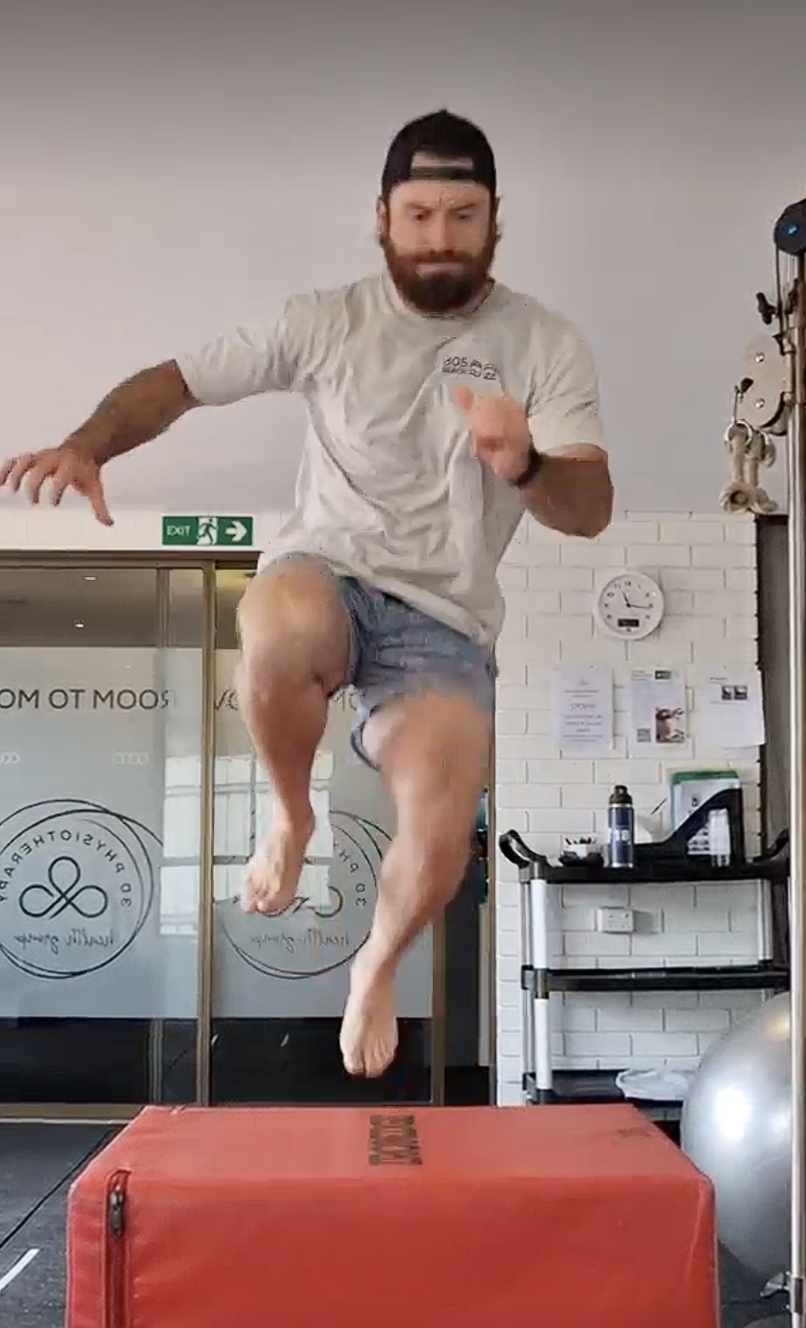
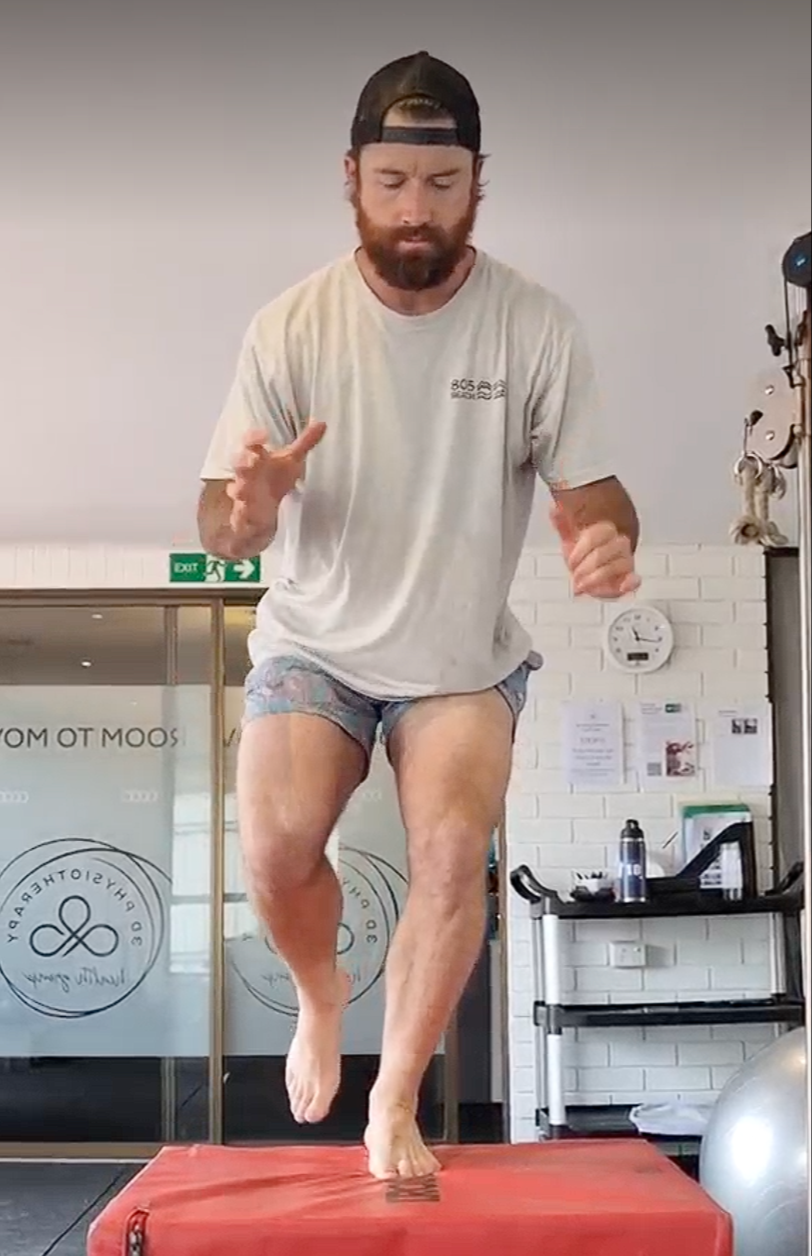
Strength training isn’t just about keeping you injury‑free, it makes you a more powerful, effective athlete. Strength underpins key performance qualities such as:
Speed and acceleration
Power and jumping ability
Change of direction and agility
Physical contest and contact tolerance
Endurance when fatigue hits
When your body can produce more force, absorb more load, and maintain stability under pressure, every aspect of your game improves.
Addressing imbalances early
Pre‑season is the perfect window to assess your movement patterns and identify weaknesses or asymmetries that may limit performance or lead to overuse injuries later. During the season, training loads are high and recovery time is limited, making it harder to build meaningful strength.
Train With Precision, Not Guesswork
In pre-season, you need to know exactly where your body is at. We use AxIT force plates and strength-testing technology to give you a detailed, objective snapshot of your current physical capacity.
No assumptions, no cookie‑cutter plans.
Once we know your true baseline, we design a physiotherapy‑guided program that targets the areas that matter most for performance and injury prevention. This means addressing:
Strength or mobility asymmetries that may affect power, speed, or efficiency
Hip and glute strength to improve running mechanics, cutting, and directional changes
Quadriceps and hamstring capacity essential for knee stability and high‑load actions
Calf and ankle strength to boost sprinting, jumping, and safe deceleration
Core and trunk control to enhance force transfer, balance, and overall stability
With clear data and a tailored plan, you enter pre-season stronger, more balanced, and ready to perform at your peak.
By addressing these areas early, you set your body up for efficient movement, better power transfer, and reduced compensations.
How we can help
Our physiotherapists support athletes through every stage of pre‑season by:
Assessing strength, movement quality, and injury risk
Designing individualised strength programs based on your sport’s demands
Progressing load safely and effectively
Blending rehabilitation principles with performance‑focused training
Educating you on recovery, load management, and long‑term resilience
Whether you’re preparing for elite competition or gearing up for a local season, a targeted pre‑season strength assessment can highlight exactly what your body needs to perform and cope well throughout the year.
If you’re ready to start your season feeling stronger, more confident, and better prepared for the demands of your sport, book your assessment today. Together, we’ll build a personalised plan that supports your goals and sets you up for a successful season ahead.

What if peri & post menopause wasn’t about loss, but about gaining strength?
Menopause is a natural transition, a powerful evolution. It marks a time when many women step into a deeper sense of self, resilience, and wisdom shaped by decades of life experience and caring for others. Aging is not about fading - it’s about rising into your power, confidence, and vitality. At 3D Physiotherapy, we support you to navigate these changes by drawing on your lived experience and deepening your connection with your body.
03 5406 0228

Musculoskeletal Symptoms of Menopause
Menopause is a natural transition, a powerful evolution. It marks a time when many women step into a deeper sense of self, resilience, and wisdom shaped by decades of life experience and caring for others. Aging is not about fading - it’s about rising into your power, confidence, and vitality. At 3D Physiotherapy, we support you to navigate these changes by drawing on your lived experience and deepening your connection with your body.
While peri-menopause and menopause are often recognised by cliché symptoms like hot flushes, mood swings and night sweats, its impact runs much deeper. Menopause is a whole-body transition that can silently affect muscles, joints and connective tissues in ways many women don’t immediately link to hormonal change. These physical signs are common, yet frequently overlooked or mis-diagnosed, leaving many to navigate discomfort in confusion, often putting symptoms down to ‘getting older’.
As oestrogen levels plummet, especially after the rollercoaster of perimenopause (which can start as early as 30 but more commonly around 40), many women find themselves facing unexpected aches, stiffness, and even injuries. Oestrogen isn’t just a reproductive hormone - it’s a powerful anti-inflammatory agent that helps keep our musculoskeletal system strong, supple, and pain-free. When it drops, the ripple effects can be surprising and deeply disruptive to daily life.
Common issues we see in clinic:
General loss of muscle mass – leading to weakness, fatigue, pain and difficulty with tasks like getting off the floor, climbing steps, grip strength and carrying heavy things
Soft tissue pain and weakness – think plantar fasciitis/heel pain, gluteal tendinopathy (pain and weakness at the back of the hips), shoulder pain (rotator cuff/frozen shoulder/bursitis), due to reduced quality and strength of tendons and ligaments
Increased risk of fractures – think hip and wrist fractures due to falls and reduced bone density (osteoporosis)
Joint pain – hips, knees, back and shoulders, often worse in the morning
Genito-urinary symptoms – frequency, urgency and loss of control when laughing coughing, sneezing or jumping as well as UTI’s are a common symptom in menopause

The good news? 3D Physio is well placed to help
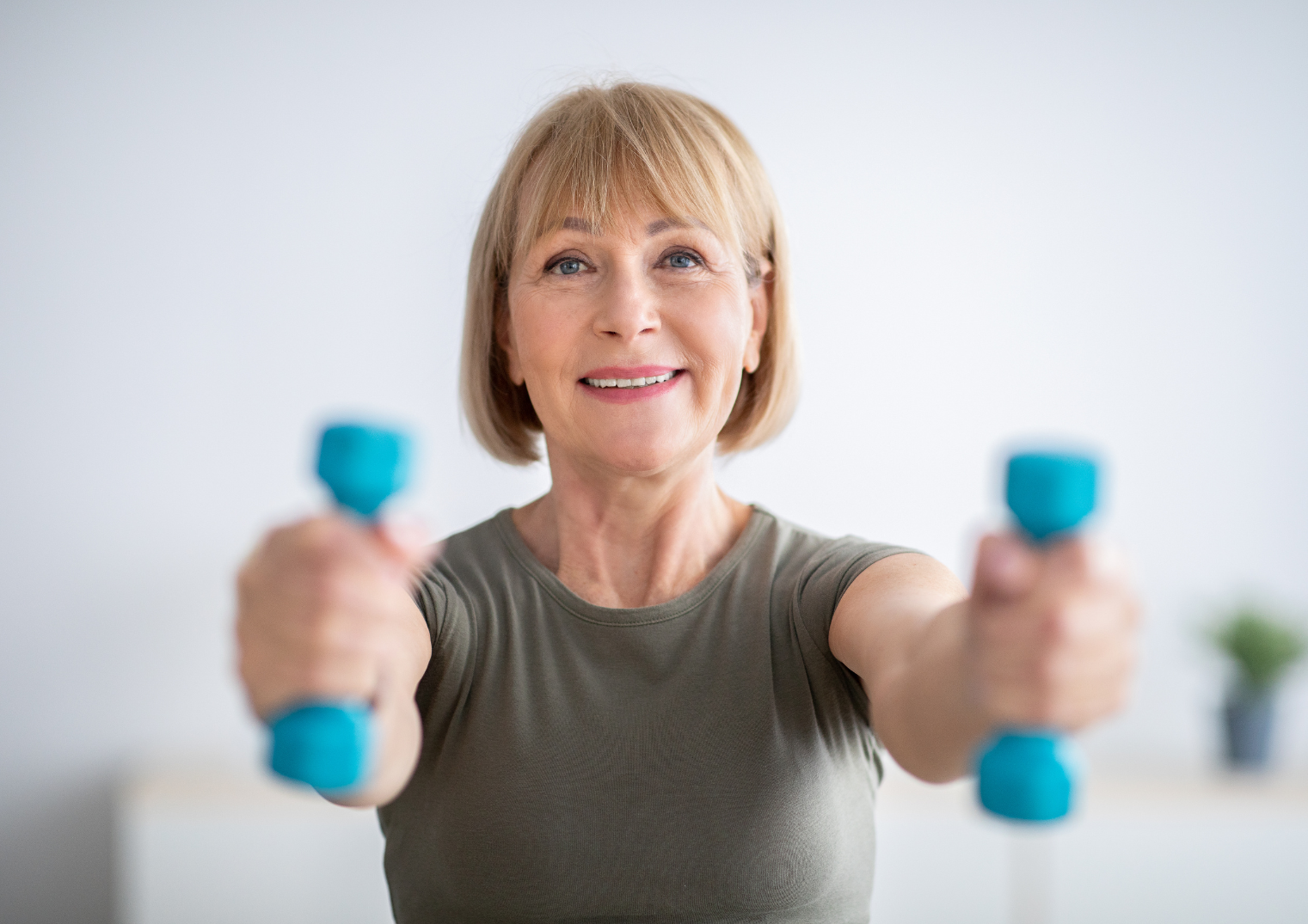
With targeted strength training programs, balance and mobility exercises, physio-led rehabilitation can dramatically improve strength, pain, control, function, and confidence.
Muscle: The Organ of Longevity
Skeletal muscle is your insurance policy against frailty and all of the chronic diseases. Healthy muscle is a metabolic powerhouse, a hormonal buffer, and a key to longevity. Experts like Peter Attia, Dr. Vonda Wright, and Stacy Sims highlight that muscle mass is one of the strongest predictors of health span - how long we live well.
Muscles don’t just shape and move us, healthy and strong muscles:
Soak up blood sugar – reducing the risk of type 2 diabetes
Increase metabolic rate – helps us burn more fat
Reduce inflammation – less pain and stiffness
Support hormone production – testosterone and growth hormone
Contribute to increased bone density – reduced fracture risk
Improve agility, balance and confidence – reduced fear and risk of falling
Improve cognitive function – improved memory. mood and brain fog
But here’s the challenge: as we age, we face sarcopenia - the gradual loss of muscle mass and strength, starting from the age of 30. Women are at higher risk than men because the loss of oestrogen accelerates the loss of muscle mass. Left unchecked, it can lead to pain, weakness, falls and frailty. If you’re not fighting for your muscle mass with strength training, you are losing it – at a rate of 3 to 8 % per decade.
It’s never too late!
frailty is optional
decline in strength is optional
loss of confidence in your body is optional
How we can help:
At 3D Physio we provide thorough baseline testing via our in-house strong4life screening tool. Through a battery of specially selected tests we pinpoint where your body is at (compared to others your age) in terms of strength, mobility and balance. We teach you how to work on any issues we find to help optimise your health and vitality during peri and menopause. Our carefully crafted groups like strong4life, Onero™ and CoreAlign provide appropriate strength training, agility, balance and core stability exercises to help you stay confident in your body.
You can be strong at every age!
Bone Density and Fracture Risk: The Silent Epidemic

50% of women over 50 will suffer an osteoporotic fracture. Hip, spine, and wrist fractures are common and often life-altering. After a hip fracture, 30 percent of women die within a year, and most never regain their previous level of independence.
Strength training is one of the most powerful tools to increase bone density, reduce fall risk, and build protective muscle.
Programs like Onero™, based on the LIFTMOR research, have shown that high-intensity resistance training, including heavy lifting and jumping, is safe and effective for peri and postmenopausal women. Even if you have been diagnosed with osteopenia or osteoporosis (and even if your pelvic floor is not as good as it used to be).
At 3D Physio you are in safe hands with our two accredited Onero™ coaches. Both are experienced in delivering this unique strength training program designed to increase your bone density and prevent falls. We start where you are and progress at your pace.
Final Thoughts
Menopause is not a loss - it’s a renaissance. Your body is changing, yes, but it can also adapt, evolve, and invite you to step into a new kind of strength. With muscle, mindset, and movement, you’re not just aging - you’re thriving.
Are you ready to feel strong, capable and confident through menopause?
Book your personalised assessment today and take the first step towards strength and vitality.

Bringing Movement to the Mallee: 3D Physiotherapy’s Impact in Boort
In the heart of Victoria’s Loddon Shire, is the vibrant town of Boort, known for its lakes, strong community spirit, and now, its access to expert physiotherapy care.
03 5406 0228
expert care right where you live
In the heart of Victoria’s Loddon Shire, is the vibrant town of Boort, known for its lakes, strong community spirit, and now, its access to expert physiotherapy care.
3D Physiotherapy is proud to extend its Bendigo-based services to Boort, ensuring locals receive high-quality treatment without the need to travel long distances.
Why local physiotherapy in Boort matters
Access to physiotherapy in rural areas like Boort is more than a convenience, it’s essential. Rural Australians often face:
Long travel times to urban centres for specialist care
Limited availability of allied health professionals
Higher rates of chronic conditions due to reduced access to preventative care
At 3D Physiotherapy, we’re passionate about making expert care local, because we believe everyone deserves access to high-quality physiotherapy close to home.
Whether you're recovering from an injury, managing chronic pain or osteoarthritis, or rebuilding strength after surgery, our personalised approach helps improve mobility, reduce discomfort, and enhance your overall quality of life.
By offering professional physiotherapy services right here in your community, we’re committed to supporting your journey to better health, independence, and an active lifestyle.

Personalised physiotherapy services in Boort
Located at 2 Coutts Street, Boort, 3D Physio is led by Leah McErvale, a passionate physiotherapist dedicated to helping locals live healthier, more active lives.
Known for its warm, personalised care, our clinic offers a holistic, client-centred approach that empowers you to take charge of your health.
Every treatment is tailored to your goals, supporting your journey to better mobility, strength, and wellbeing, right here in the Boort community.
What Makes 3D Physiotherapy Different?
One-on-one sessions designed around your unique needs
NDIS-friendly services with accessible facilities
Individualised strength and rehabilitation programs
Home visits available receive care in the comfort of your own home
Strong community engagement bringing expertise to Boort

Supporting Recovery and Independence
At 3D Physio, we believe recovery is about more than treating symptoms. It’s about restoring confidence, independence, and joy.
Our team understands the unique challenges faced in rural communities and is committed to supporting locals with compassionate care and clinical excellence.
Whether you're:
A farmer recovering from a shoulder injury
A retiree managing osteoarthritis or chronic pain
A young athlete aiming to return to sport
We’re here to help you move better and live well, right here in Boort.

How Sue Took Control of Her Knee Pain with the GLA:D® Program
When Sue first walked through our doors, she had a clear goal: Feel stronger, move more freely, and regain confidence in her everyday life. Knee pain had been holding her back, but she was ready to take action.
That’s when she joined the GLA:D® program.
03 5406 0228
When our client Sue, first walked through our doors, she had a clear goal:
Feel stronger, move more freely, and regain confidence in her everyday life.
Knee pain had been holding her back, but she was ready to take action.
That’s when she joined the GLA:D® program.
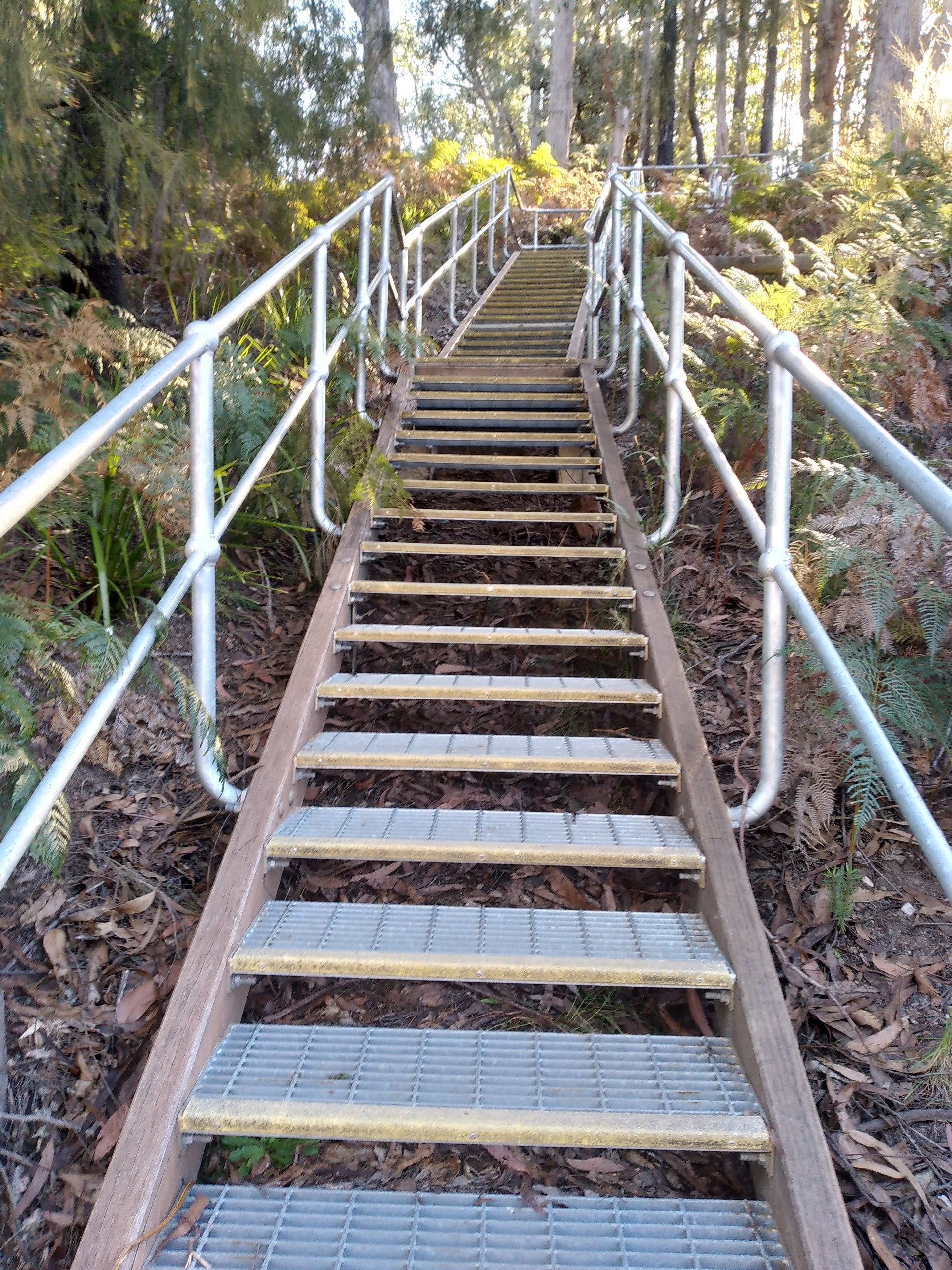
“My step up for today, approx. 100 up and down. Thanks GLA:D®!”
What is GLA:D®?
GLA:D® (Good Life with osteoArthritis: Denmark) is an internationally recognised education and exercise program designed specifically for people living with knee or hip osteoarthritis. It’s delivered by trained physiotherapists and backed by strong clinical evidence.
Participants learn how to:
Understand osteoarthritis and manage it day-to-day
Strengthen and stabilise their joints through proven exercise
Build long-term strategies for self-management so participants feel in control of their symptoms
The results? Reduced pain, improved mobility and function, and often a delay or avoidance of surgery.
Sue’s journey to strength and confidence
Sue’s goals were simple but powerful:
Reduce her knee pain
Build strength in her lower limbs
Improve her independence and overall function
Over six weeks, Sue attended supervised GLA:D® sessions tailored to her needs. She didn’t just learn the correct exercises, she gained a deeper understanding of her body, her pain, and how to take control of her health.
A holiday win worth celebrating
Not long after completing the program, Sue went on holiday. While away, she sent us a photo with a message that said:
“My step up for today, approx. 100 up and down. Thanks GLA:D®!”
It was a proud moment, not just for Sue, but for all of us who had the privilege of supporting her journey.
Why GLA:D® works
Sue’s story isn’t unique. Research shows that people who complete the GLA:D® program often experience:
Reduced pain and stiffness - knee -29% & hip -23%
Improved quality of life - knee +35% & hip +46%
Reduced medication use - knee -49% & hip-46%
3 out of 4 people experienced a lower desire for knee surgery
5 out of 8 people experienced a lower desire for hip surgery
Could GLA:D® help you too?
If knee or hip pain is limiting your life, the GLA:D® program could be the turning point, just like it was for Sue.
With the right support, you can take control of your symptoms, move with confidence, and enjoy the activities you love.
You don’t have to let osteoarthritis hold you back.
Take the first step towards your own success story with GLA:D® and book your 1:1 GLA:D® assessment with our physios today!

Is your teen at risk? The most common injuries physiotherapists see, and how to prevent them.
Adolescence is a time of rapid growth, increased physical activity, and often, high participation in sport.
While this is a great combination for building strength, coordination, and confidence, it also increases the risk of injury.
03 5406 0228

Adolescence is a time of rapid growth, increased physical activity, and often, high participation in sport.
While this is a great combination for building strength, coordination, and confidence, it also increases the risk of injury. At 3D Physio, we regularly treat adolescents for a range of common injuries that can affect their performance, growth, and long-term health if left unaddressed.
Understanding these injuries, and how physiotherapy can help, is key to promoting safe, strong, and successful development during the teenage years.

Why are adolescents prone to injury?
There are several reasons why teens are more susceptible to musculoskeletal injuries:
Growth spurts can lead to muscle imbalances and reduced flexibility.
Open growth plates are more vulnerable to overuse and impact injuries.
High training loads and intense competition, especially in sports-specialised teens, can exceed their body’s capacity to adapt.
Inconsistent training habits and lack of proper warm-up, recovery, or strength training increase injury risk.
Most common injuries we see in teenagers
Osgood-Schlatter disease
Occurs during a growth spurt, when the bones grow quickly, but the muscles and tendons take a bit longer to catch up. This can cause pulling and irritation where the patellar tendon (just below the kneecap) attaches to the top of the shinbone (the tibia).
Physio Focus: Load management, strengthening of quads and glutes, and education on pacing activity.
Sever’s disease
Heel pain caused by inflammation at the growth plate of the heel (calcaneus), often seen in younger adolescents during growth spurts.
Physio Focus: Calf stretching, load modification, footwear advice, and activity guidance.
Patellofemoral Pain Syndrome (PFPS)
Also known as "runner’s knee", this condition causes pain around the kneecap due to poor kneecap alignment, muscle imbalance, or overuse.
Physio Focus: Hip and knee strengthening, motor control training, and gradual return to sport.
Patellar tendinopathy
Often called “Jumper’s Knee”, this involves pain and stiffness at the base of the kneecap, especially during jumping, squatting, or running.
Physio Focus: Tendon-loading exercises, education on tendon recovery, and load monitoring.
Ankle sprains
Common in sports like basketball, netball, and football, lateral ankle sprains can lead to persistent instability if not rehabilitated properly.
Physio Focus: Swelling management, balance and proprioception training, strength work, and sport-specific rehab.
Spondylolysis (Stress fracture of the spine)
A stress injury to the lower back, often seen in gymnasts, dancers, or cricketers who do a lot of spinal extension and rotation.
Physio Focus: Core strengthening, movement retraining, rest from aggravating activity, and a gradual return-to-play plan.
Hamstring strains
Teens involved in sprinting or football codes are particularly vulnerable, especially if they have tightness or weakness in the posterior chain.
Physio Focus: Strengthening (especially eccentric), running mechanics, neuromuscular control, and appropriate warm-up.
How physiotherapy can help
At 3D Physio, we take a comprehensive approach to adolescent injury rehab:
Thorough assessment to identify the root cause of the problem
Education to help the teen understand their body and their injury
Tailored exercise programs that build strength, control, and resilience
Collaboration with parents, coaches, and other health professionals for a holistic return-to-sport plan

Prevention is better than cure
A strong physiotherapy focus on injury prevention can be invaluable.
We offer our Athletic Screening Tool to identify weaknesses, flexibility issues, and poor movement patterns before they become injuries.
Education on warm-up, load management, and recovery strategies is also key.
Final thoughts
Adolescence is a critical time for building physical foundations that last a lifetime. If managed well, injuries don’t need to derail a young person’s sporting journey, in fact, they can be an opportunity to learn how to train smarter and build a body that’s fit for life.
Tia, one of our physiotherapists, has completed further training in adolescent musculoskeletal health and injury management, with a special interest in supporting young athletes through growth and sport-related challenges.
So, if your teen is struggling with any pain or injuries, she is here to help! Early intervention and expert guidance can make all the difference.

Igniting Passion and Connection: Our Team's Journey to Excellence
At 3D Physio, we believe that investing in our team is the heart and soul of our success. Early in February we came together for a full day to align our team’s goals and values, to ensure we are all moving forward together with a shared vision.

At 3D Physio, we believe that investing in our team is the heart and soul of our success. Early in February we came together for a full day to align our team’s goals and values, to ensure we are all moving forward together with a shared vision.
The day was filled with energising activities designed to strengthen our relationships and build stronger connections. We celebrated our amazing team, recognising the unique contributions each member brings. By fostering a sense of trust, safety, and belonging, we created an environment where everyone feels valued and supported.
Understanding our shared values and our ‘why’ is crucial. It drives us and fuels our passion for what we do. We took the time to reflect on these values, ensuring they are at the heart of our daily operations. This reflection helped us define our culture and brand, answering the essential question: who are we?
We also focused on understanding and embracing our ideal client journey. By doing so, we aim to make our client experiences truly exceptional. Every interaction is an opportunity to exceed expectations and build lasting relationships.
The day was not just about reflection but also about igniting excitement for the future. We encouraged our team to dream big and think about what we can achieve together. This collective enthusiasm is what propels us forward and enables us to reach new heights.
In summary, our team alignment day was a testament to our commitment to our people and our clients. By investing in our team, we are investing in a brighter, more successful future for everyone involved.


HAPPY NEW YEAR & WELCOME BACK TO 3D PHYSIO FOR 2025!
As we step into 2025 we're thrilled to welcome you back to 3D Physio with open arms and exciting new offerings! This year, we're all about enhancing your wellness journey with a holistic approach and some fantastic new additions to our team and programs.
03 5406 0228
As we step into 2025...
we're thrilled to welcome you back to 3D Physio with open arms and exciting new offerings! This year, we're all about enhancing your wellness journey with a holistic approach and some fantastic new additions to our team and programs.
To kick things off, we're excited to welcome our new graduate physiotherapist, Tia Shaw! Tia will be joining us in February, and we can't wait for her to hit the ground running and meet all our amazing clients.
Check out our Meet the Team page to get to know the rest of our awesome crew and book an appointment to see us!
Next up…
We meet our allied health partners who are here to support your every need.
Podiatrist Tim Devereaux excels at keeping your feet happy and healthy.
Functional Medicine Practitioner Dee Simmons is passionate about addressing root causes of your health issues for long-term wellness.
Meditation Facilitator Sharmi Cantwell will be guiding you to a calmer, more centered self.
Naturopath Amy Simpson takes time to understand your health concerns to offer natural remedies and holistic health advice.
Get to know our partners in your health!


But that's not all!
We're also introducing ONERO®, an evidence-based exercise program specifically designed to reduce osteoporotic fracture risk in postmenopausal women and older men with low bone mass. This program is fun, engaging, and most importantly, effective in building stronger bones and a healthier you. Visit our ONERO® page and read our blog on its benefits.
In line with our commitment to preventative healthcare, we're rolling out new health screening tools. These tools are designed to give you a comprehensive snapshot of your health, helping us tailor our treatments to your specific needs and goals,
To get on track for 2025 book your assessment now!
At 3D Physio, we're committed to making your health journey as enjoyable and effective as possible. So, whether you're here for physiotherapy, exploring our new programs, or just popping in to say hi, we're excited to see you and support you every step of the way.
Here's to a year of health, happiness, and holistic wellness!
Julie & the 3D Team x